
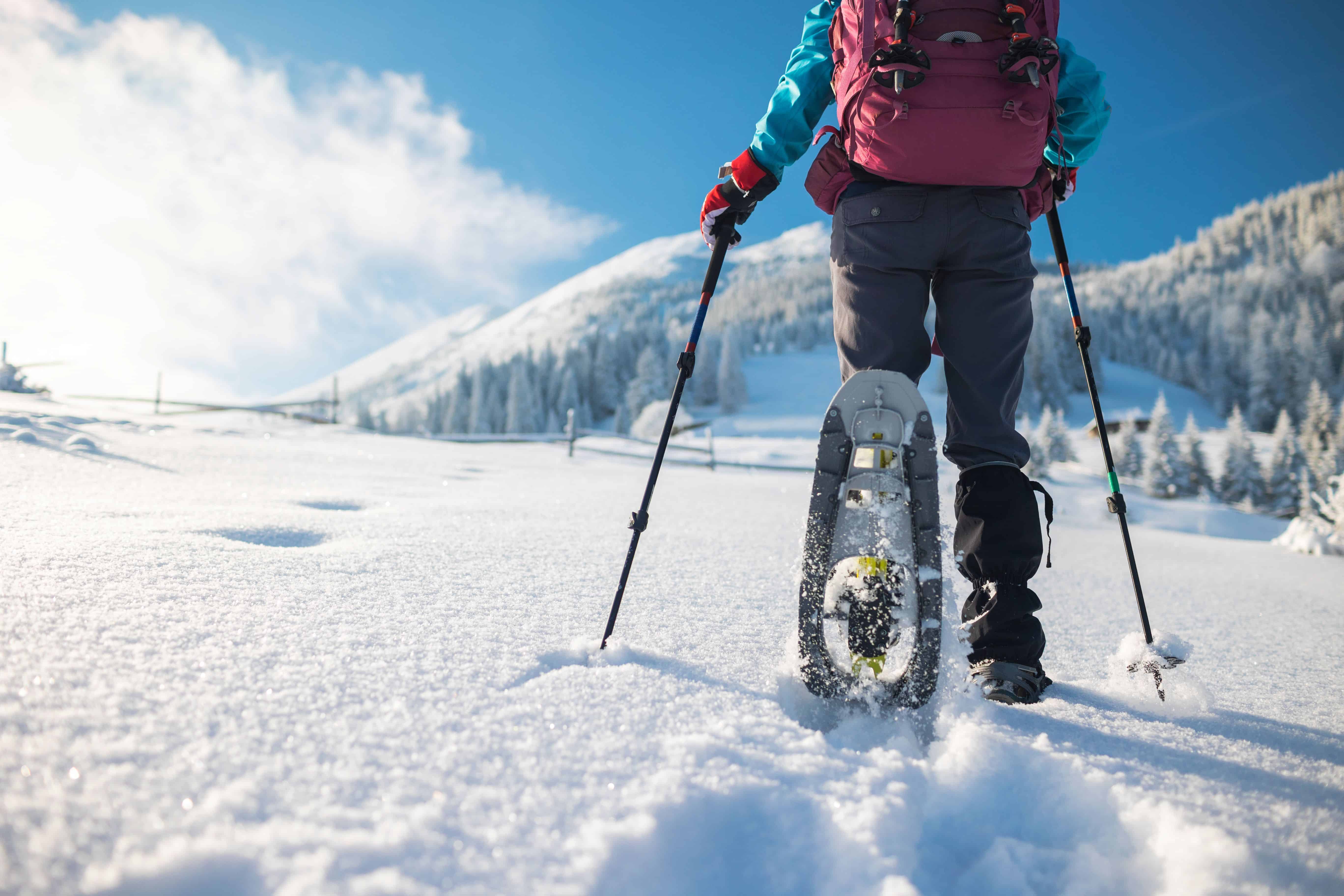
For residents of Montana and North Idaho, winter isn’t something to endure—it’s something to experience. Snowshoeing provides an intimate way to move through winter landscapes, revealing details often missed during faster pursuits through forests, along ridgelines, or near frozen waterways. No reservations or specialized terrain are required—just snow, a trail, and a sense of curiosity.
Unlike downhill sports that require lifts or resorts and with minimal gear and easy learning curves, snowshoeing is accessible for nearly all ages and experience levels. This accessibility makes it easy to include children, seniors, pets, and visitors seeking an authentic winter experience. As a result, many locals view it not as a special-occasion activity but as a winter staple.
Much of the appeal also lies in its versatility—snowshoeing can be a peaceful solo outing or a social activity among hobbyists. It pairs well with winter wildlife watching, photography, or simply soaking in the quiet that fresh snow brings. A short afternoon outing can feel just as rewarding as a longer weekend trek, and it’s an activity that offers flexibility as conditions change throughout the season. From fresh powder to packed snow, it adapts seamlessly, making it a dependable winter option, no matter the weather.
Ultimately, snowshoeing has deep roots in northern climates and reflects the lifestyle of the region itself, offering a slower, more intentional way to experience snowy landscapes that locals know well in summer but rediscover each winter. From groomed trails near town to backcountry routes in places like the Idaho Panhandle National Forest to frozen lakes in Montana’s state or national parks, it’s a reminder that winter holds its own beauty and rewards for those willing to step into it.



.webp)