
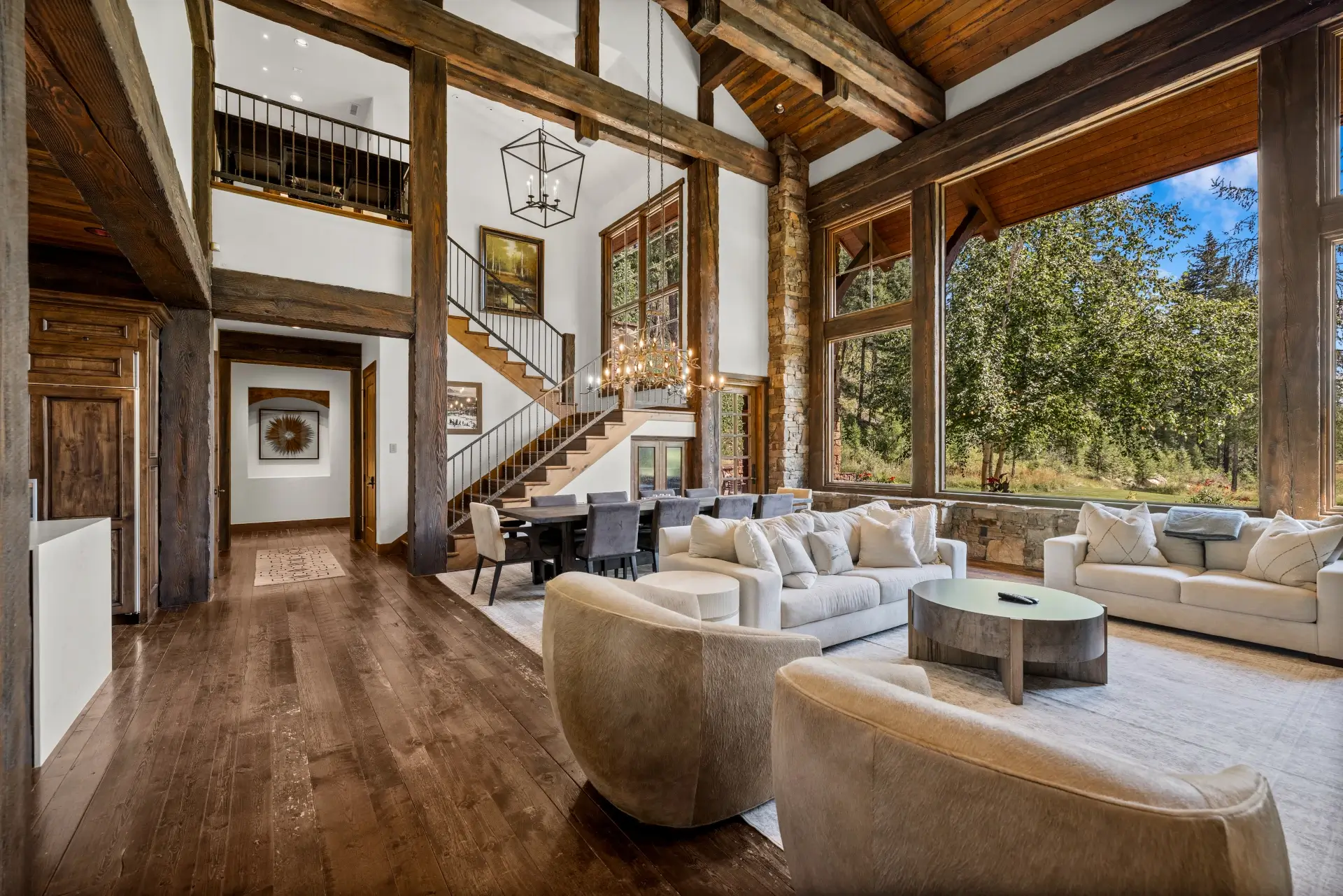
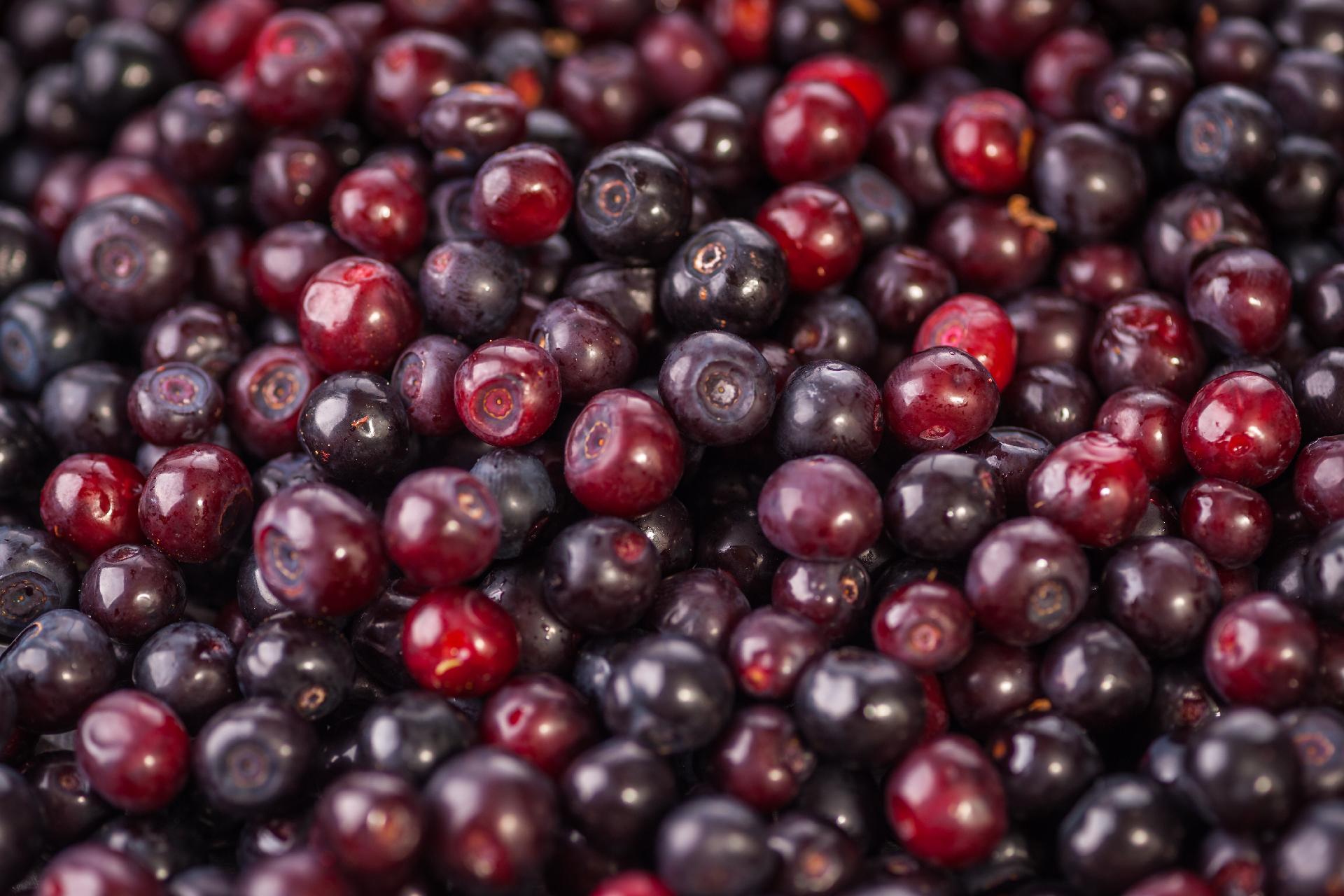
Montana and Northern Idaho are renowned for their breathtaking landscapes, pristine wilderness, and abundant wildlife. However, one of the region’s most beloved natural treasures is the wild huckleberry. Known for their tart and sweet flavor, huckleberries are a true gem of the Northern Rockies, and they play a significant role in the local culture and cuisine.
Berry Alluring: Huckleberries are small, round berries that ripen in late summer, usually between July and September. These berries grow wild in the high-elevation forests of Montana and Northern Idaho, often in areas that have experienced recent wildfires. Unlike blueberries, which they resemble, huckleberries are not widely cultivated, making them a prized find for foragers and a staple in local farmers' markets. They are typically deep purple or red, bursting with a unique flavor that is both tangy and sweet.
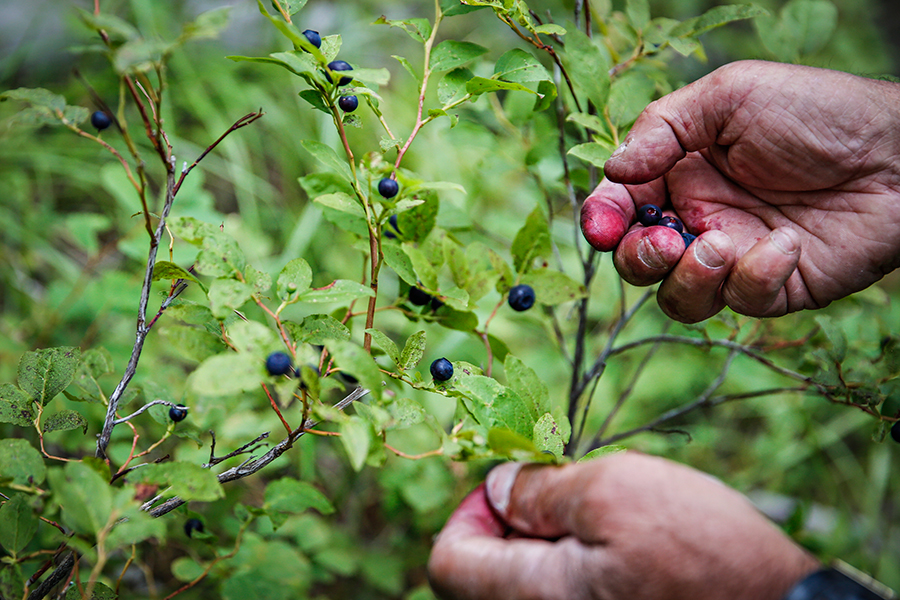
The berries are highly sought after by locals and visitors alike, who use them in everything from jams and jellies to pies, pancakes, and even ice cream. Some local businesses even offer huckleberry-infused products like syrup, chocolates, and beverages. The popularity of these berries is so great that huckleberry festivals are held across the region, celebrating this small but mighty fruit.
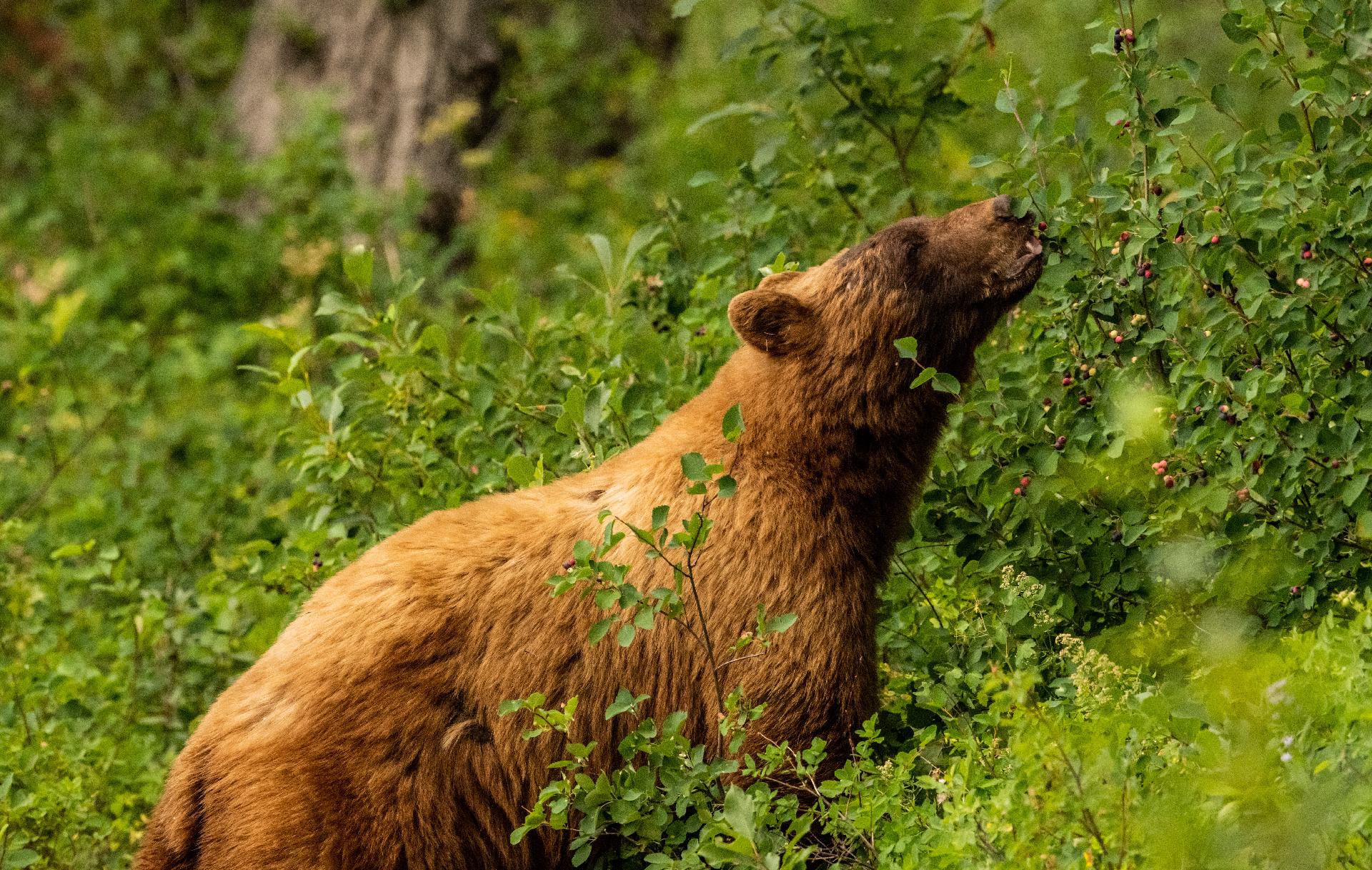
Iconic Wildlife: Grizzly and black bears are two of the most elusive and majestic animals that call this region home — and like us, they love munching on huckleberries! Throughout the late summer and fall, bears will gorge on patches of ripe berries as they prepare for the long winter. If you’re hiking or berry picking this time of year, be sure to make lots of noise and carry bear spray with you.
While huckleberries may be the star of the show, Montana and Northern Idaho are home to a diverse array of flora that adds to the region's natural beauty and ecological richness and start to truly shine in the fall.
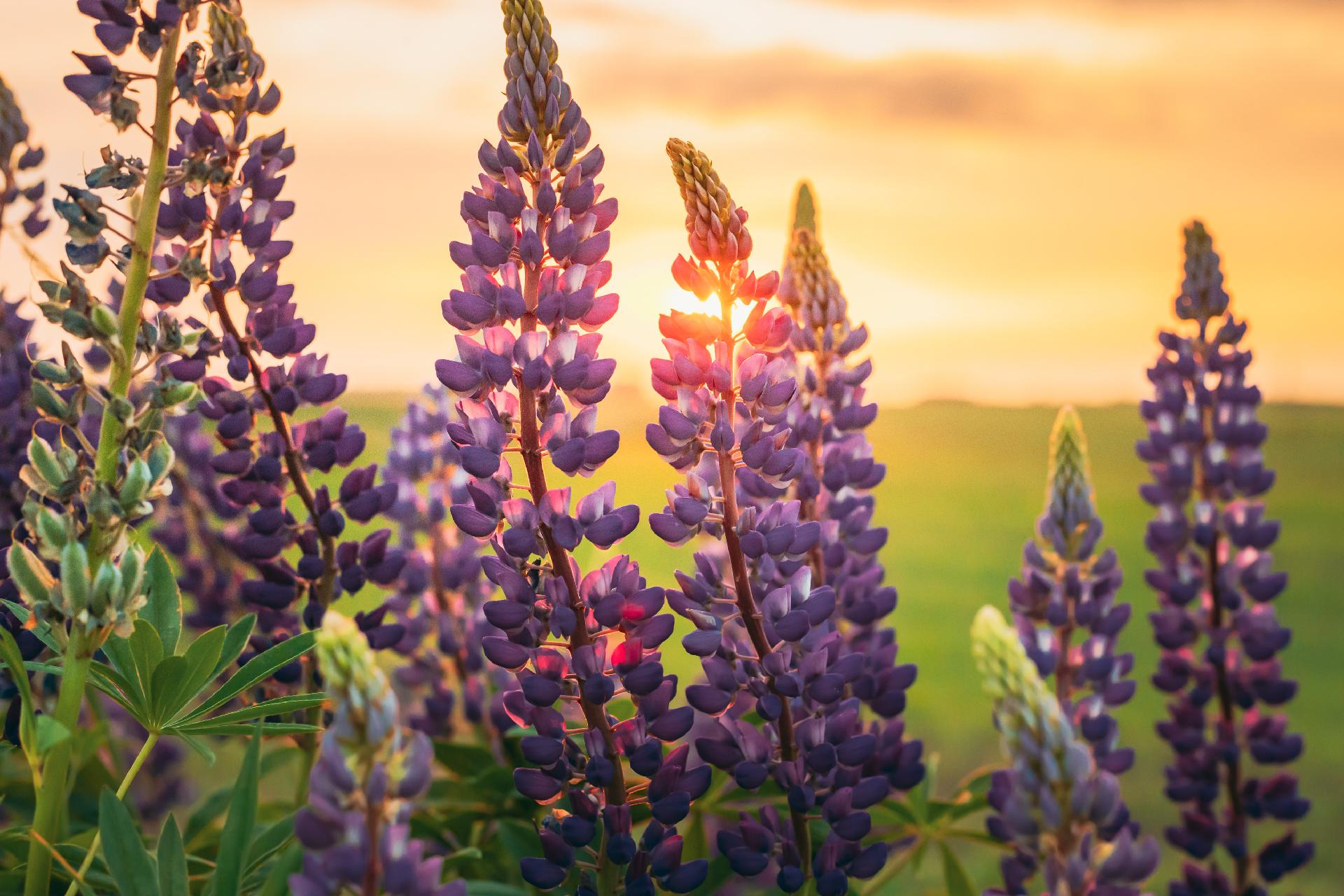
Wildflowers: In the summer and fall, the meadows and hillsides are awash with colorful wildflowers. Lupines and Indian paintbrush are just a few of the many species that thrive in this area, painting the landscape with vibrant hues throughout the year. These wildflowers not only add to the visual appeal but also support a wide range of pollinators, including bees and butterflies.
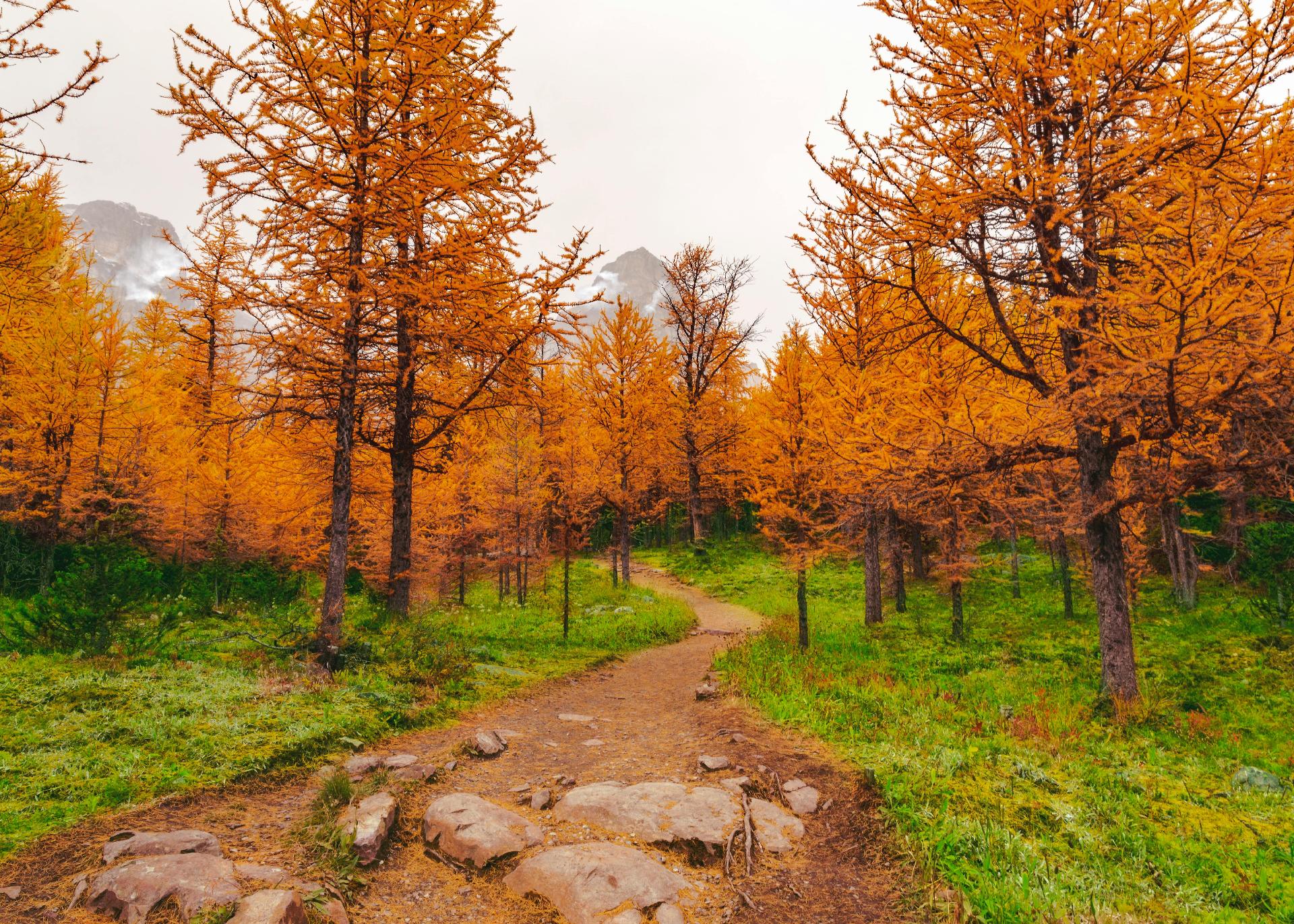
Coniferous Forests: The region is also known for its dense coniferous forests, dominated by towering pines, spruces, and firs. These forests provide critical habitat for a variety of wildlife, including elk, deer, and black bears. One of the most scintillating sights as fall approaches is the gradual fading of needles on larch trees, an odd deciduous conifer that loses its needles in the winter. Before they drop off, however, they turn a brilliant gold, splashing bright colors across the hillsides.
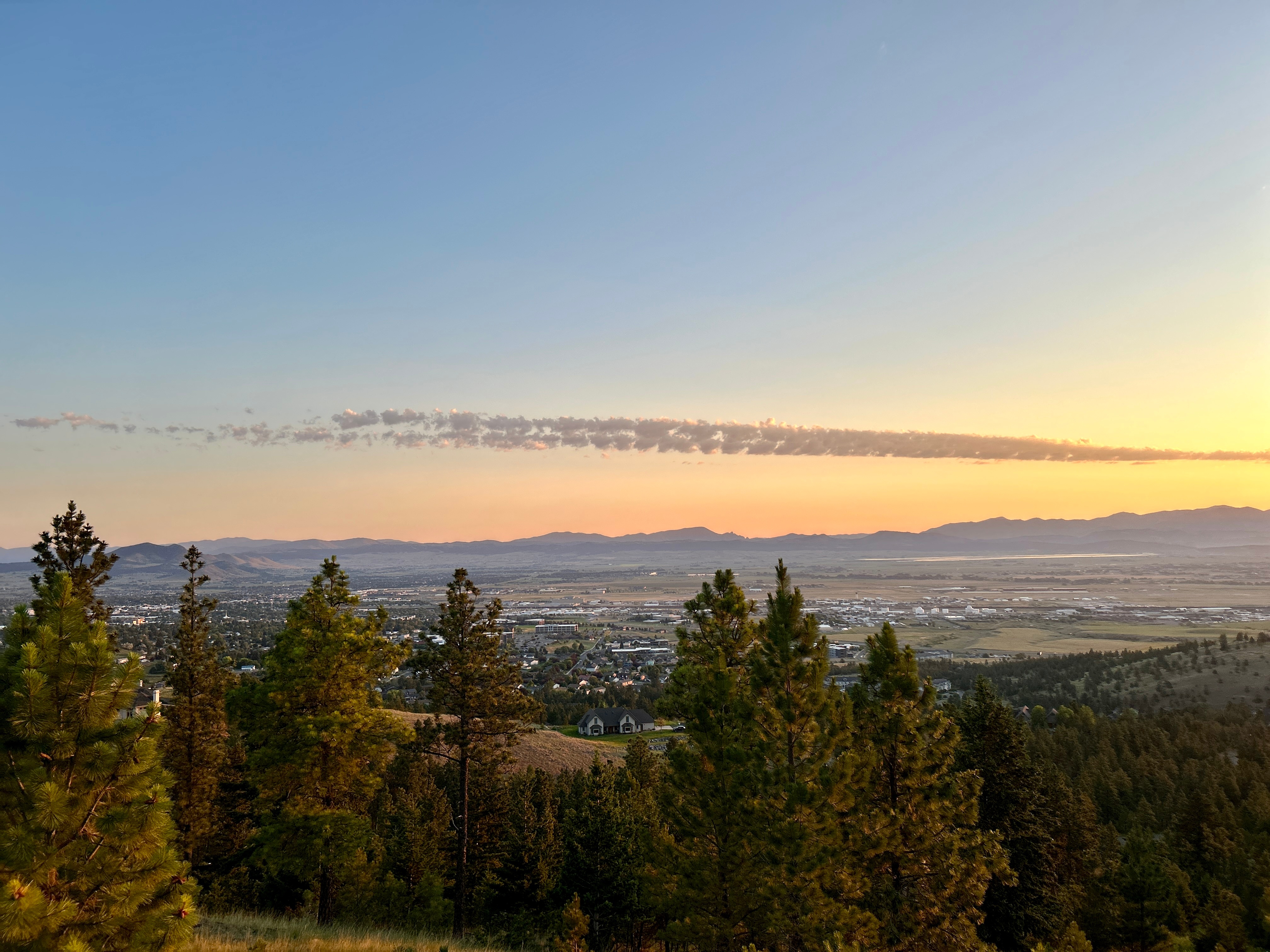
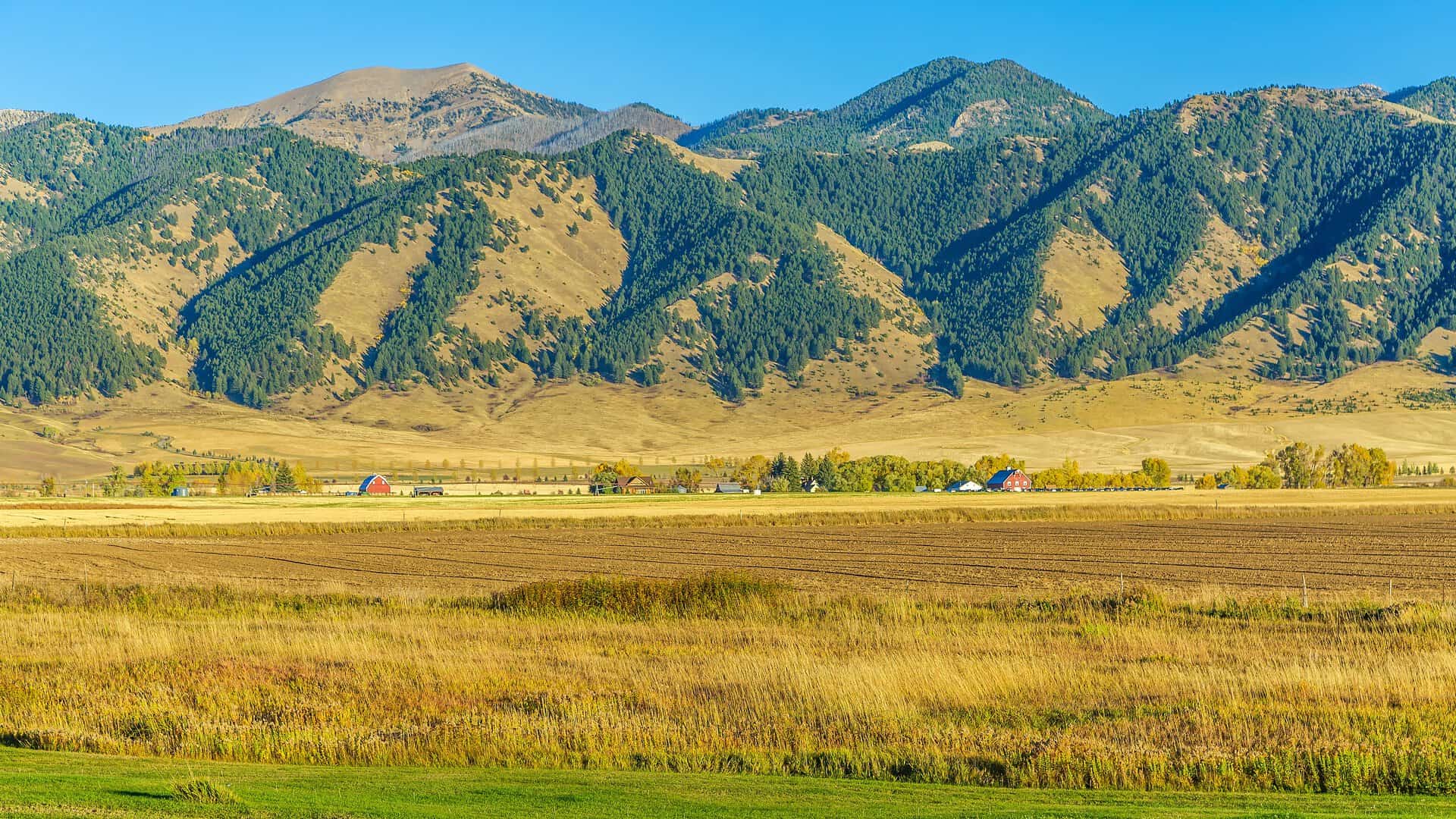
The natural bounty of Montana and Northern Idaho, from the sought-after huckleberries to the diverse flora and fauna, is a major draw for those who choose to live or vacation in the region. Whether you're hiking through a huckleberry patch, admiring a meadow of wildflowers, or catching a glimpse of a bear through the bushes, the wild beauty of this area is a constant reminder of why it is so special.
Embrace the opportunity to explore and enjoy these natural wonders, and you'll find that life in Montana and Northern Idaho offers a connection to nature that is truly unparalleled.



.webp)