
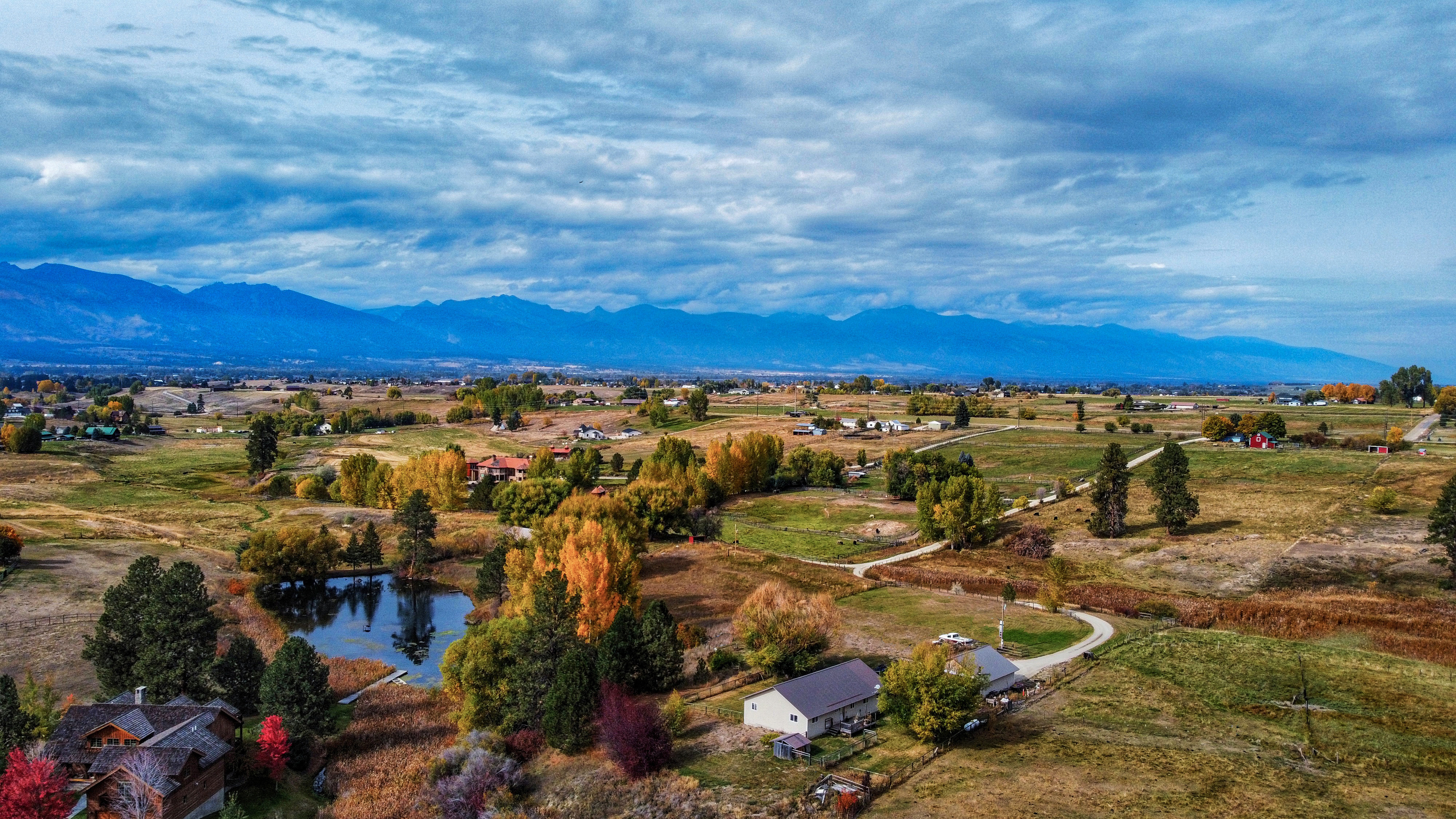
With the days growing shorter, Montana’s landscape is beginning a captivating transformation into a breathtaking tapestry of warm hues. Seeking out sparks of autumnal beauty is a unique experience for residents and visitors alike. Let’s delve into some highlights of the fall season!
Deciduously Urban
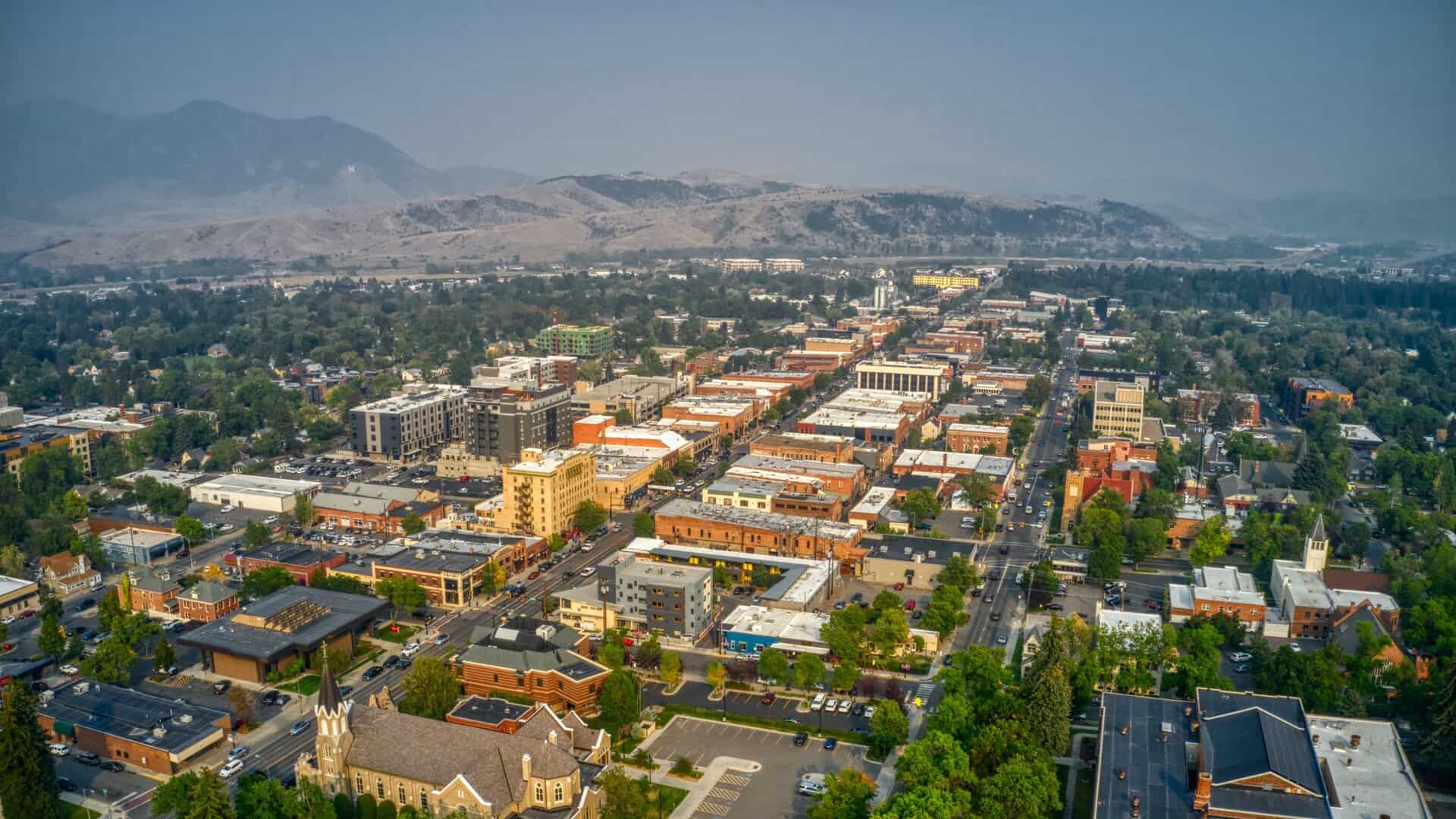
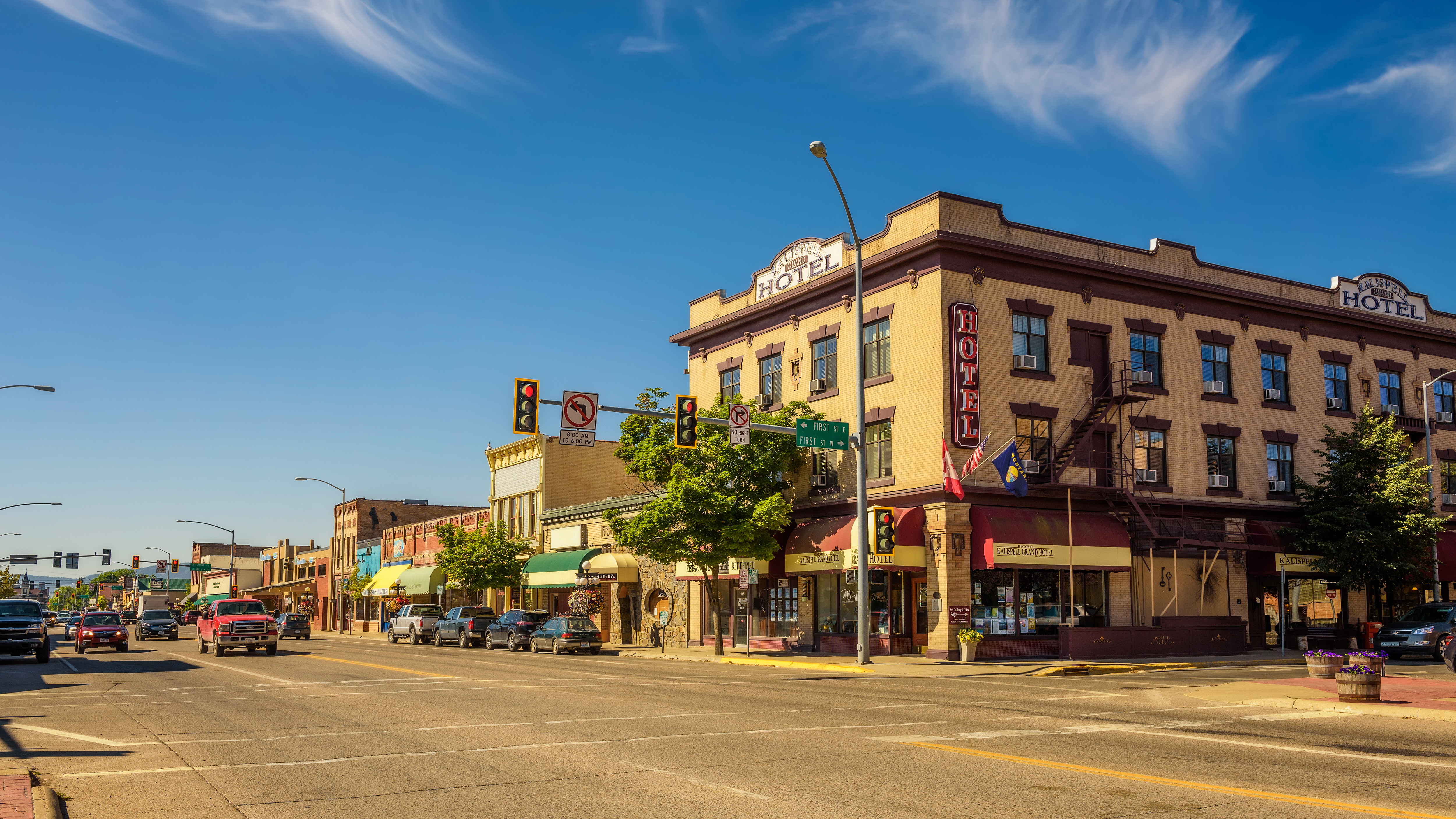
Often, one thinks about bright red maple or oak trees as staples of the fall color wheel, and those certainly are a big factor in Montana’s towns. Deciduous trees, as opposed to coniferous or pine trees, are the preference for lots of urban planning departments to line boulevards and sidewalks due to the wide canopies that provide shade during the summer months and offer a brilliant display during the fall. Of course, with great deciduous trees, comes great amounts of leaf-raking!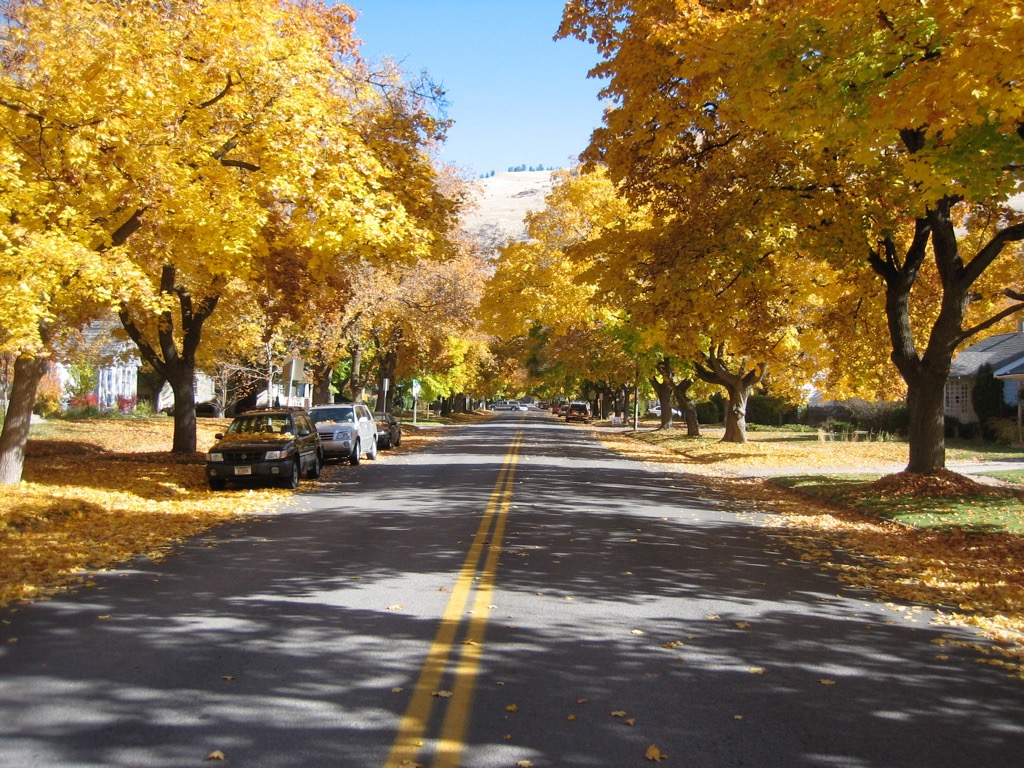
Larch Lighting
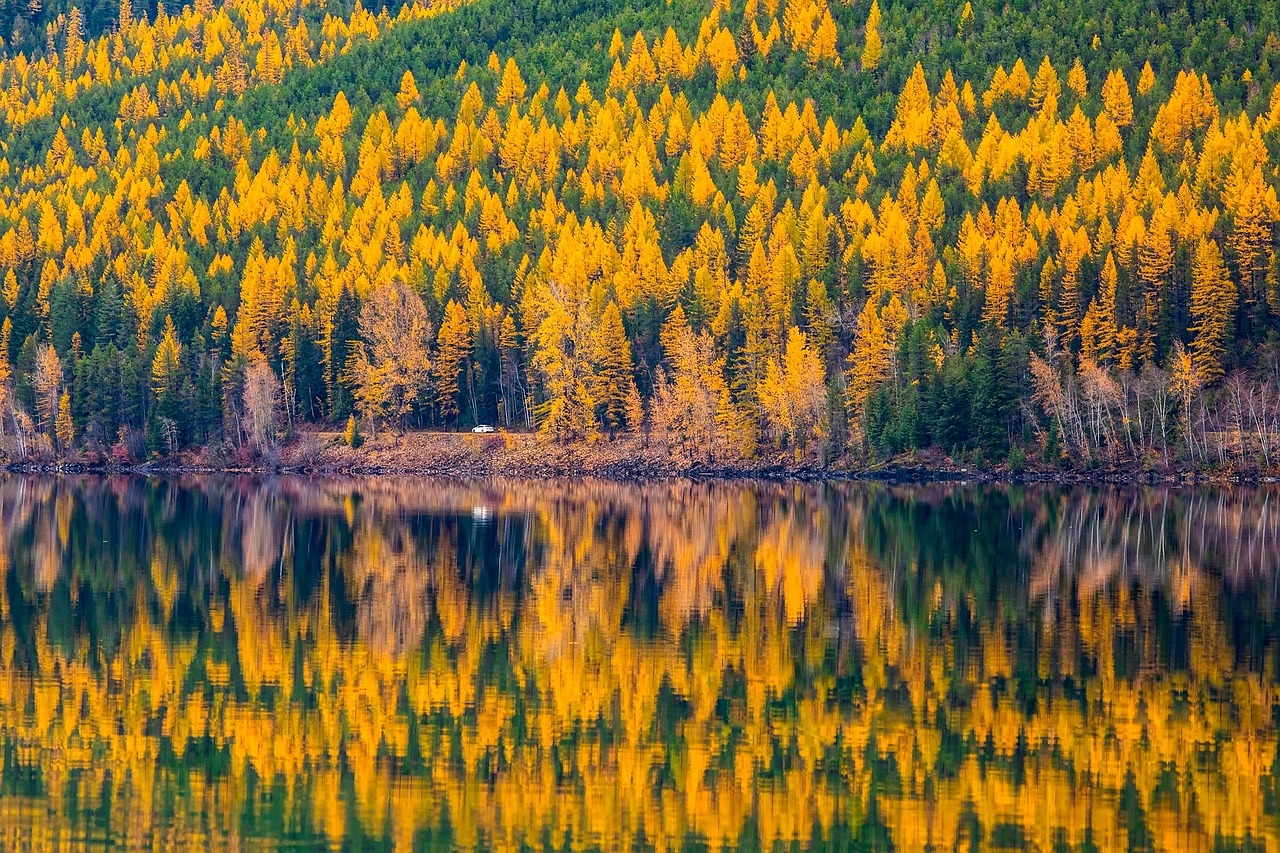
The true fireworks of the Montana autumn can be seen across the mountainous west, where the fast-growing western larch thrives. Also known as the tamarack, the larch has a unique characteristic of being a needle-bearing tree, like an evergreen, but with needles that change colors and fall off each fall. The delicate dusky green needles shift to lime in early fall before lighting up in a deep golden-yellow. Seen against a hillside or mountain, tamaracks stand out like torches in the night. For a real treat, visit “Gus,” the 163-foot-tall, 23-foot-around larch on the shore of Seeley Lake north of Missoula. “Gus” is part of a 60-acre grove, considered one of the finest remaining larch stands in the country.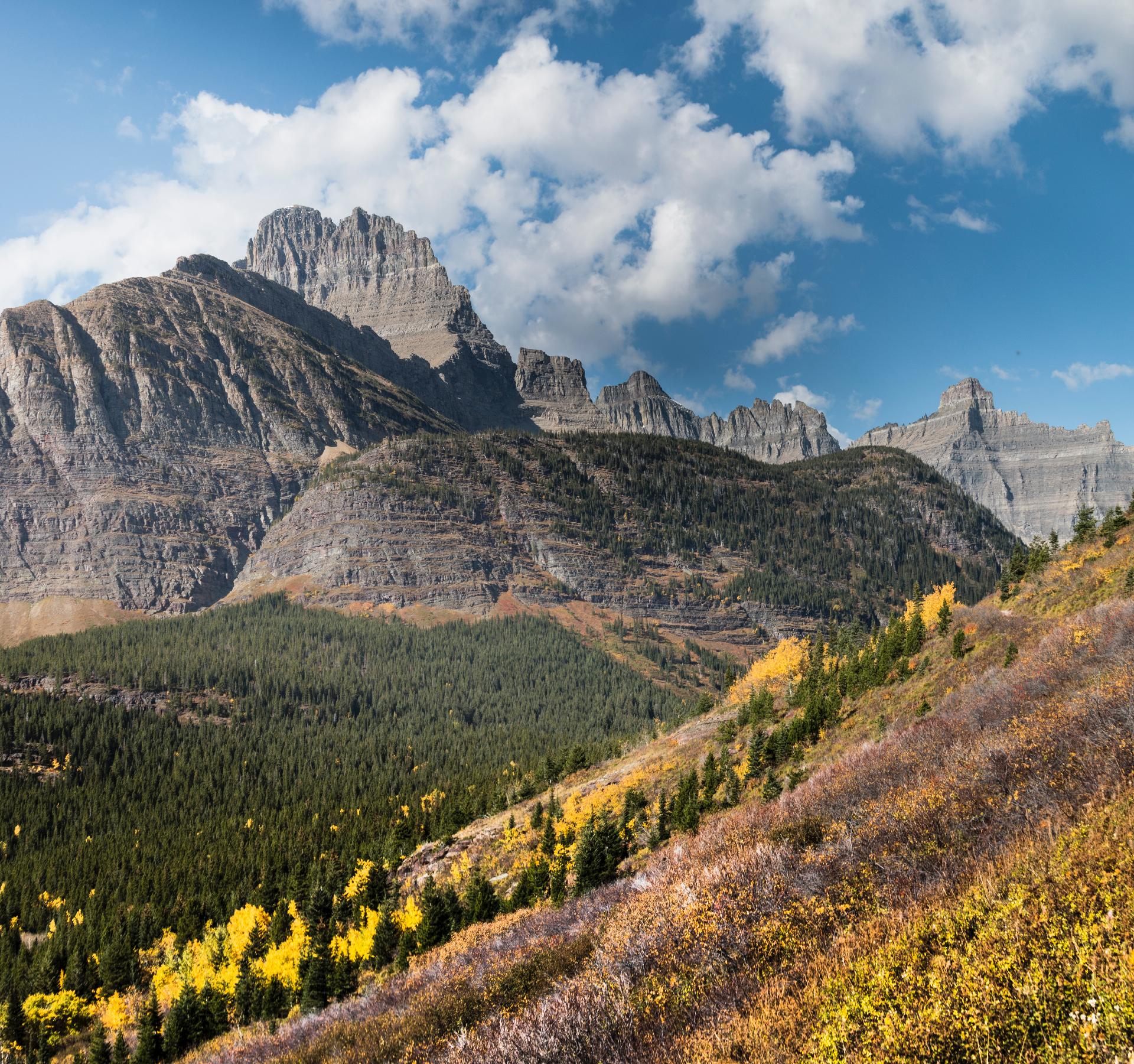
High and Low
It’s not just trees that change hues in the fall. Low-growing shrubs and bushes can also put on a dazzlingly bright display. Serviceberry and huckleberry bushes can begin changing color in early fall, and the brushy leaves can range from a mottled maroon to a kaleidoscope of reds, oranges and yellows — sometimes all on the same bush! Snow berries — low-lying bushes with pure-white berries (that are inedible) — are a hardy plant that grows across drier landscapes and turn a bright yellow in the fall.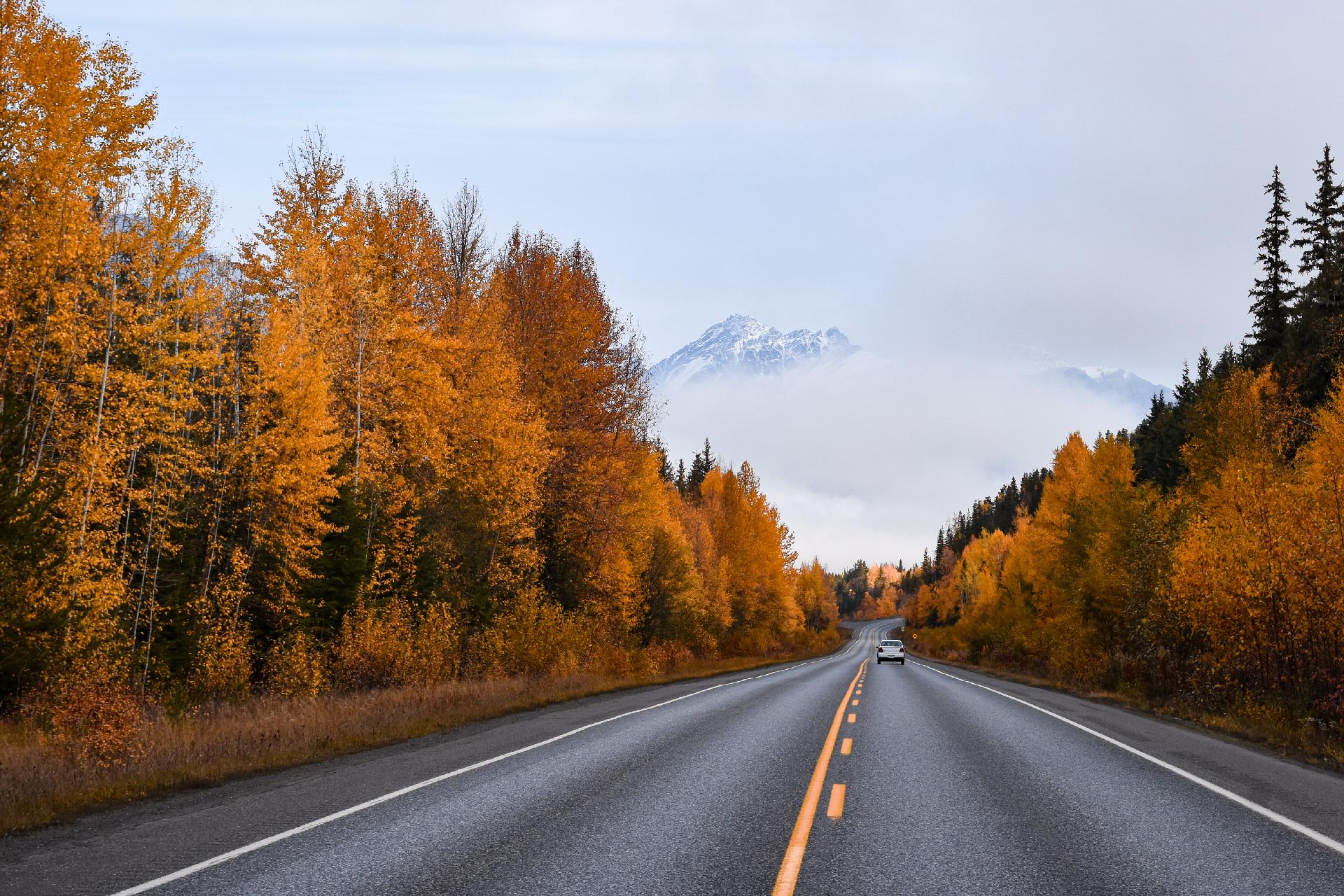
Why the Rainbow?
Leaf color is all about photosynthesis, that buzzword that may take you back to high school biology. During spring and summer, leaves produce the vivid emerald hues through chlorophyll cells, which saturate the leaves and dye them green. As daylight wanes throughout the fall, chlorophyll production slows to a halt, and the “true” color of a leave breaks through. Several different compounds are responsible for the vibrant colors we see in the fall, including beta-carotene (orange), anthosynins (red) and flavenols (yellow).
With each passing day of September, there’s sure to be a few more leaves flipping their wardrobe to show off their autumnal complexions. There’s an endless list of hikes and road trips throughout Montana to take in the finest of the fall colors, just one more reason to appreciate calling this state home! To find out when and where fall colors will be at their peak, view this fall foliage map.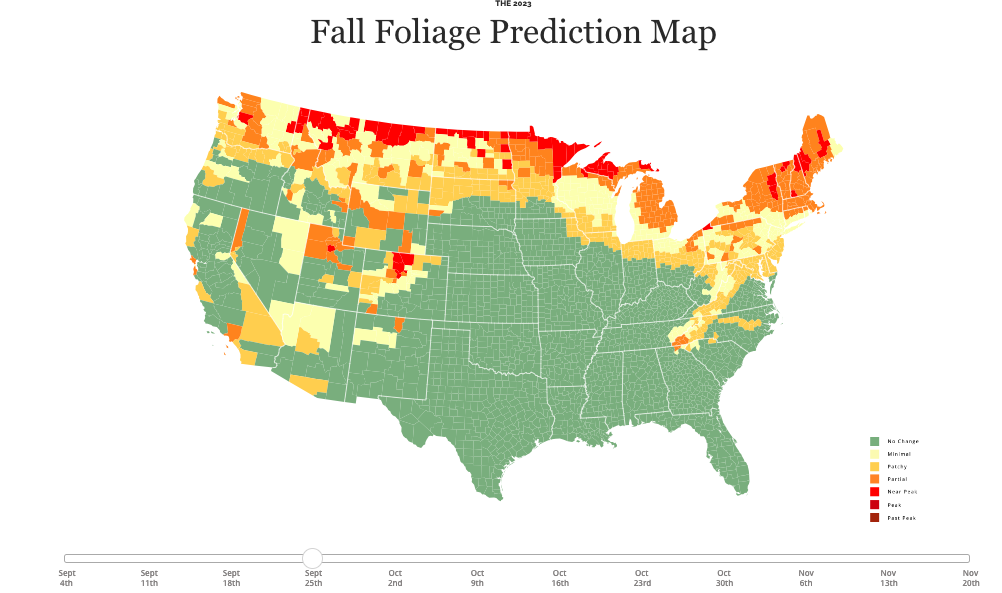



.webp)