
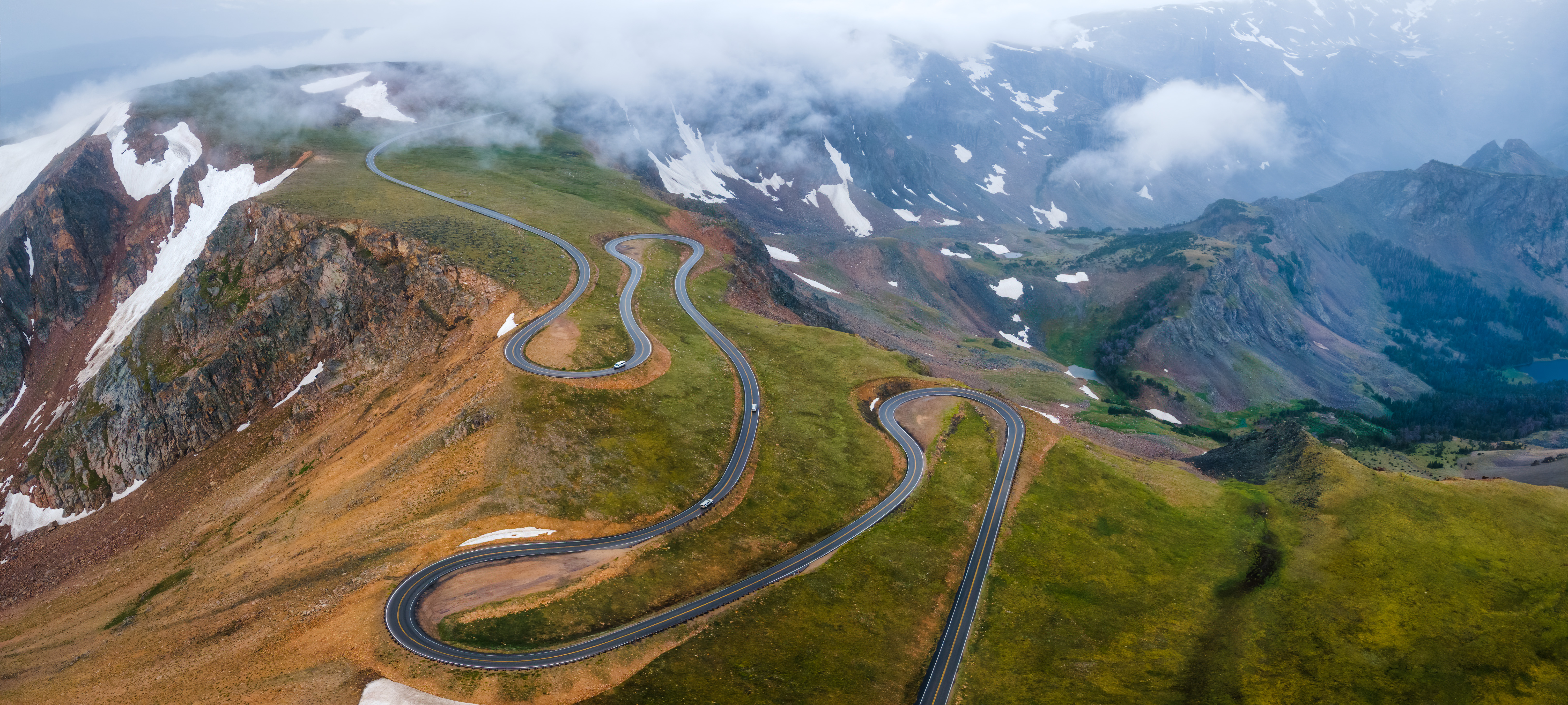
The bulk of Yellowstone National Park occupies the northwest corner of Wyoming, but part of the park is also in eastern Idaho and southwestern Montana. Bozeman is a great launching point for Yellowstone, as it is located nearly equidistantly from the north and west entrances, though the popular north entrance, reached from Gardiner, Montana, remains closed after June’s historic flooding. Construction crews are working diligently to have access open before winter. They have successfully rebuilt the sections of the Beartooth Highway that were damaged during the flooding, so Yellowstone National Park can also be accessed via an incredible scenic drive between Red Lodge and the park’s northeast entrance.
As you consider what activities to plan in Glacier National Park or how your Montana adventure will play out in Yellowstone National Park, here are a few fun facts about what makes each of these places special and unique. These stories are excerpted from the 2022 issue of Pure Montana magazine, PureWest Christie’s exclusive lifestyle magazine, available now on newsstands or in our online edition.
Yellowstone National Park
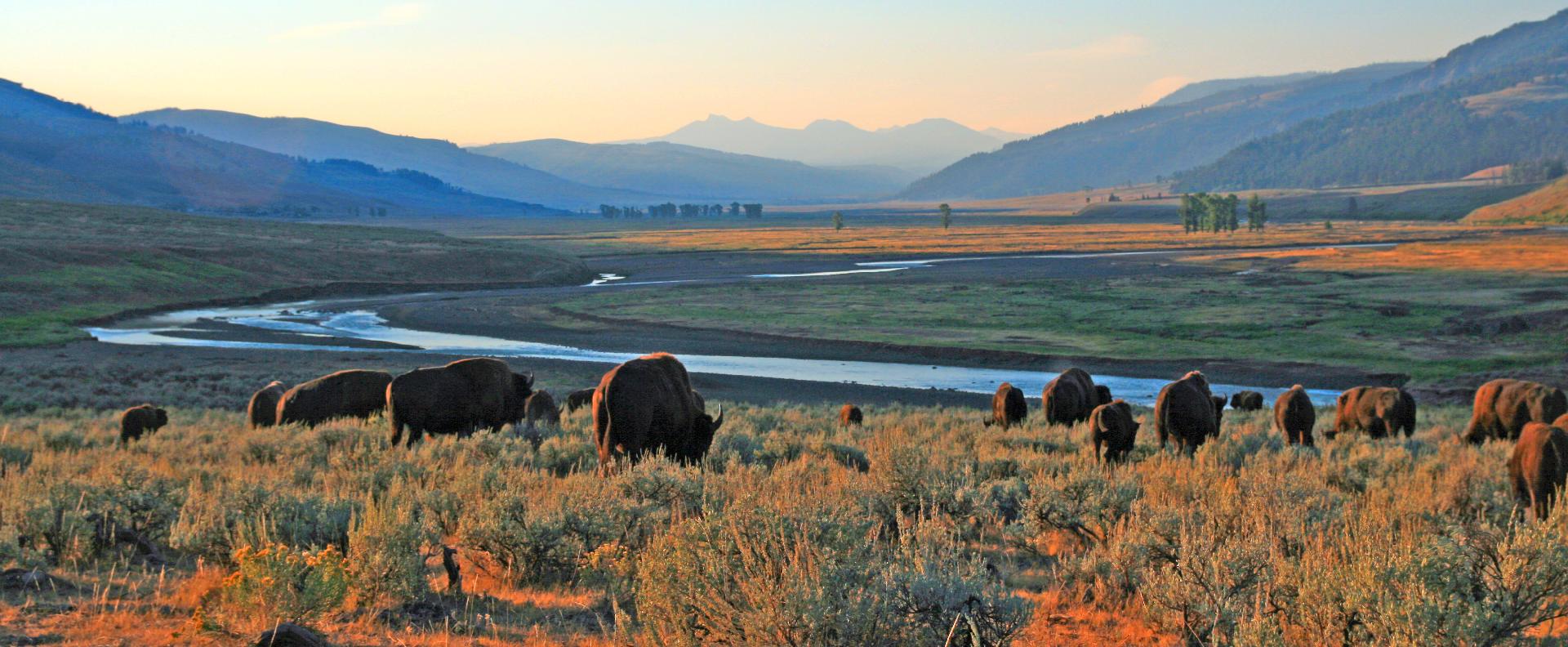
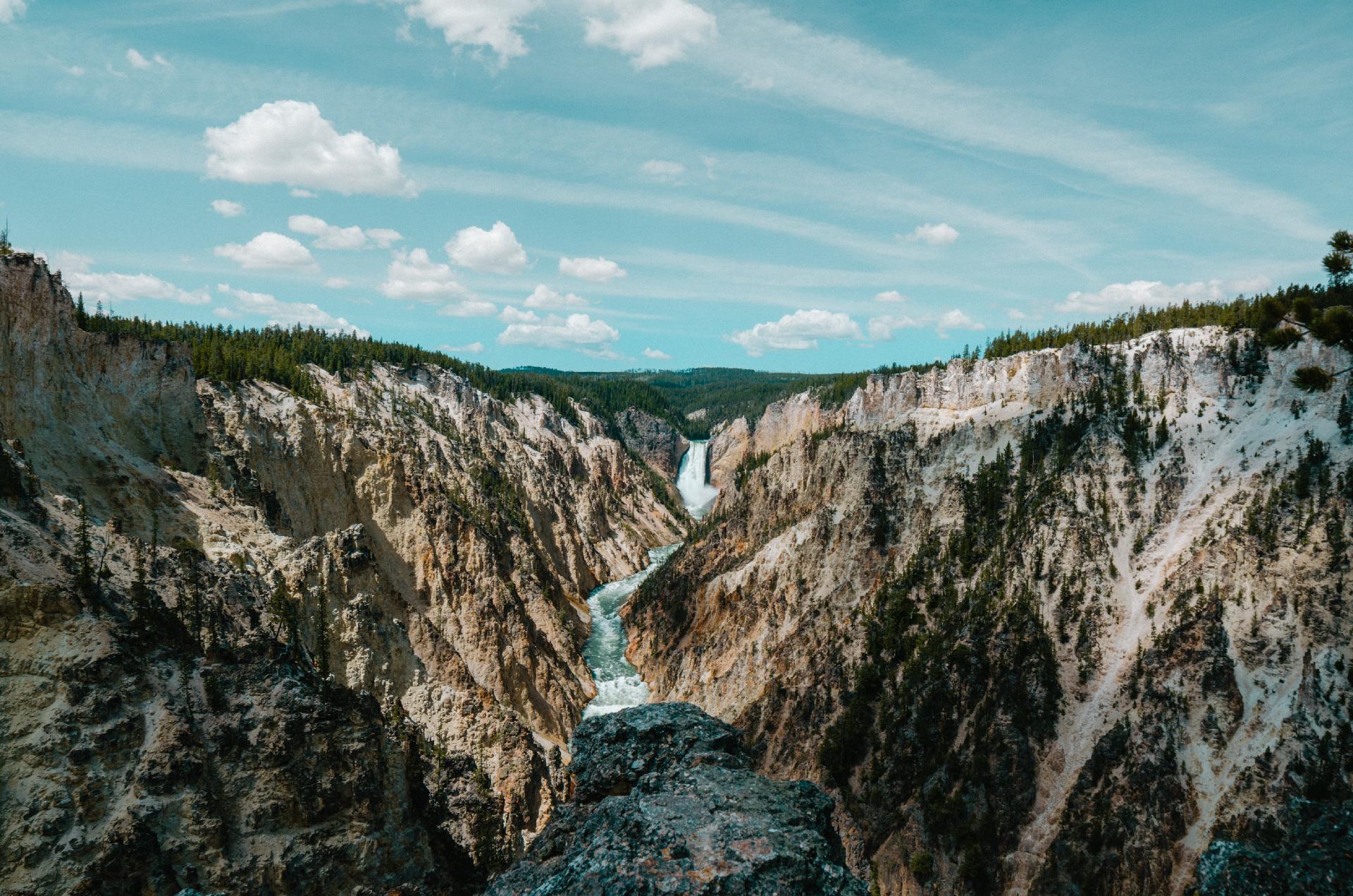
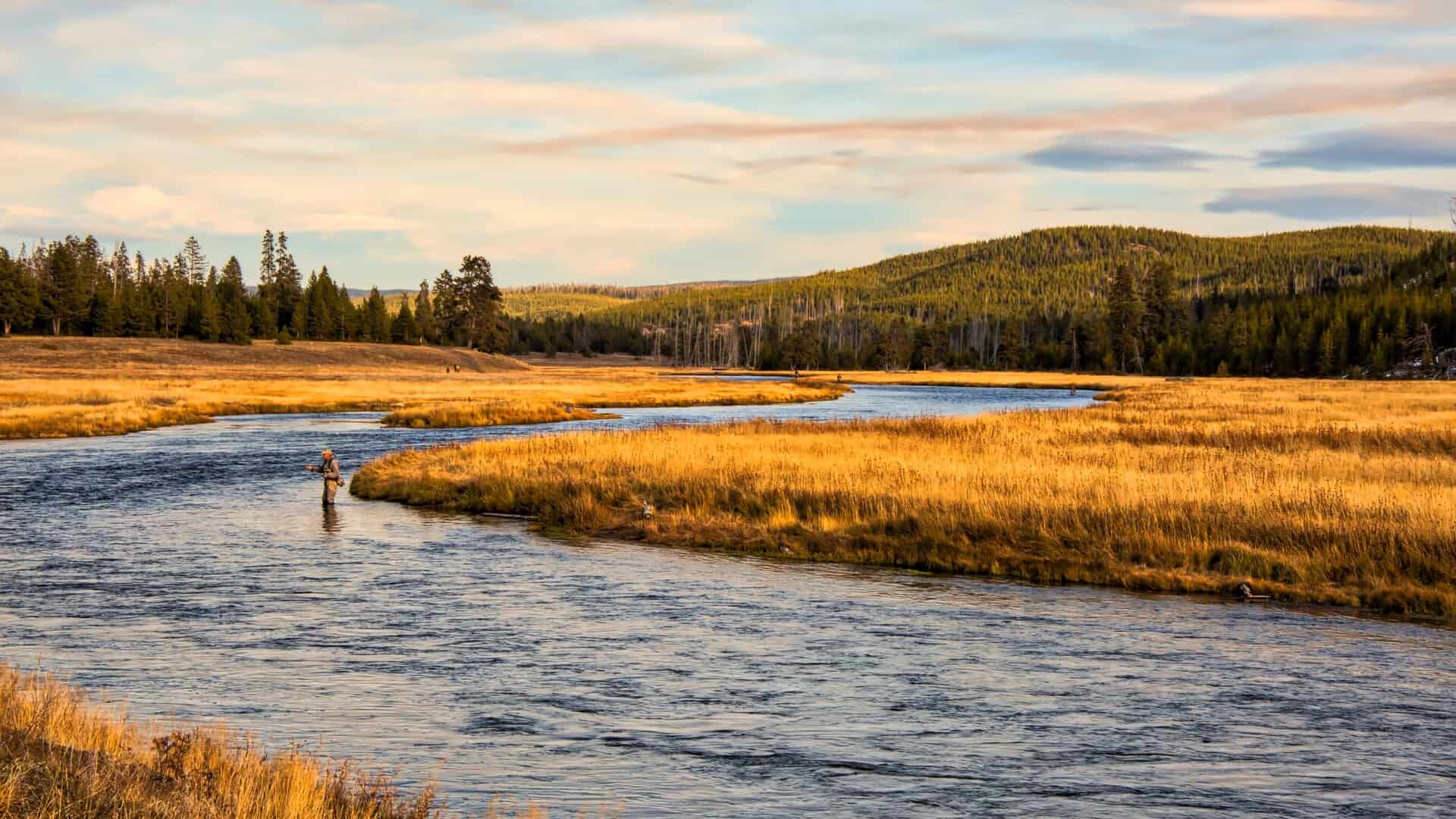
Yellowstone looms as large in our collective imagination as it does in real life: a wildly varied landscape of peaks and canyons, crashing waterfalls and spurting geysers. It’s a place where wolves howl from the hillsides and enormous herds of buffalo stop traffic as they leisurely graze from one side of the road to the other. This Rocky Mountain treasure is a must-see when traveling in Montana, and here are just a few reasons why:
1. It’s Number One
Yellowstone was the nation’s first true national park, signed into law by President Ulysses S. Grant in 1872. It was originally envisioned to exist at no cost to the government, but no funds meant no buildings, roads, rangers, or services. The first superintendent served without pay and only visited the park twice during his five-year term. Congress then authorized funding to “protect, preserve, and improve the park” and placed it under the care of the U.S. Army until 1918, when the newly formed National Park Service took over.
2. It’s Too Good to Be True
The first organized expedition of the region that became Yellowstone took place in 1869. Two of the explorers, David E. Folsom and Charles W. Cook, combined their diaries into a cohesive account of their discoveries and attempted to have it published, but the major magazines and newspapers of the day declined it as too fantastical to be accurate. As Folsom later commented, the editors seemed to view it as “the production of the too-vivid imagination of a typical Rocky Mountain liar.” Their account was eventually published in Western Monthly Magazine, and Folsom, the expedition leader, went on to serve as a Montana state senator.
3. It’s Really Big
Yellowstone encompasses 2.2 million acres. That’s 3,742 square miles, or an area larger than Delaware and Rhode Island combined. This vast wilderness contains more than 500 active geysers, 1,800 known archaeological sites, and 290 waterfalls. Yellowstone also boasts 67 species of mammals, the largest concentration in the continental United States, ranging from the one-ton bison to the masked shrew, which weighs just slightly more than a tablespoon of butter. With more than 900 miles of hiking trails, from boardwalks along burbling mud pots to the 18-mile Sky Rim Loop trail, Yellowstone’s vast and varied beauty offers the perfect outdoor adventure for every visitor’s interests.
4. It’s the Home Where Buffalo Have Always Roamed
This is the only place in the world where wild, free-range bison have continually existed since prehistoric times. The great herds of the American Plains were hunted to near extinction by the late 1800s, and even the Yellowstone herds were hunted and poached down to approximately two dozen bison by the turn of the 20th century. The U.S. Army introduced 21 bison from private herds into the park and, with vigilant protection, the population eventually recovered to the Lamar Valley and Hayden Valley herds of today, which number between 2,300 and 5,500 bison, one of the great triumphs of American conservation.
Glacier National Park
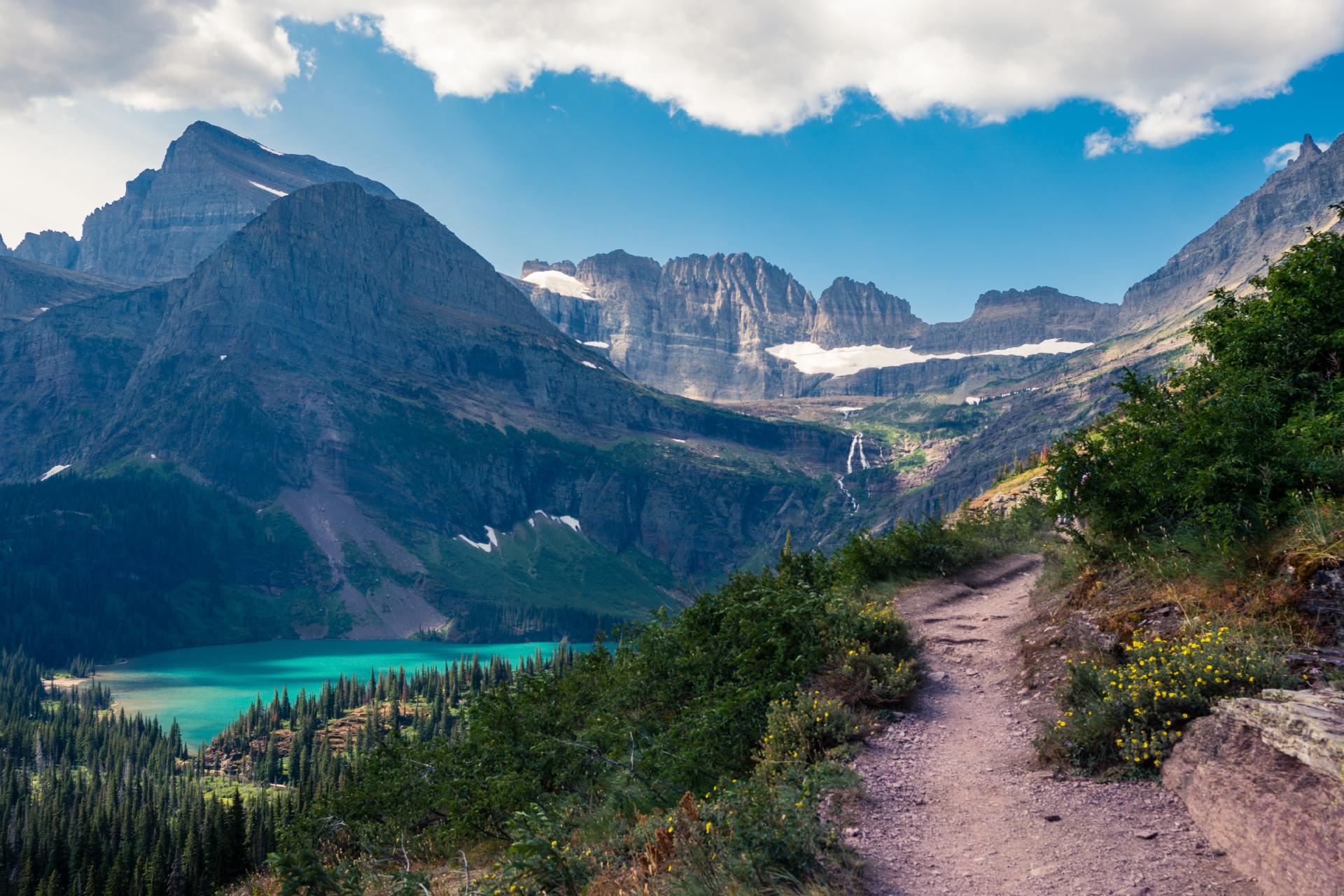
Glacier National Park has so many iconic features, from the panoramic vistas (and don’t-look-down drop-offs) of the Going-to-the-Sun Road to the remote, rugged beauty of the Many Glacier Hotel and the peaks that rise above Swiftcurrent Lake. This spectacular park, the Crown of the Continent, is a true Montana adventure. Here are a few of its unique features.
1. It’s a Land of Lakes
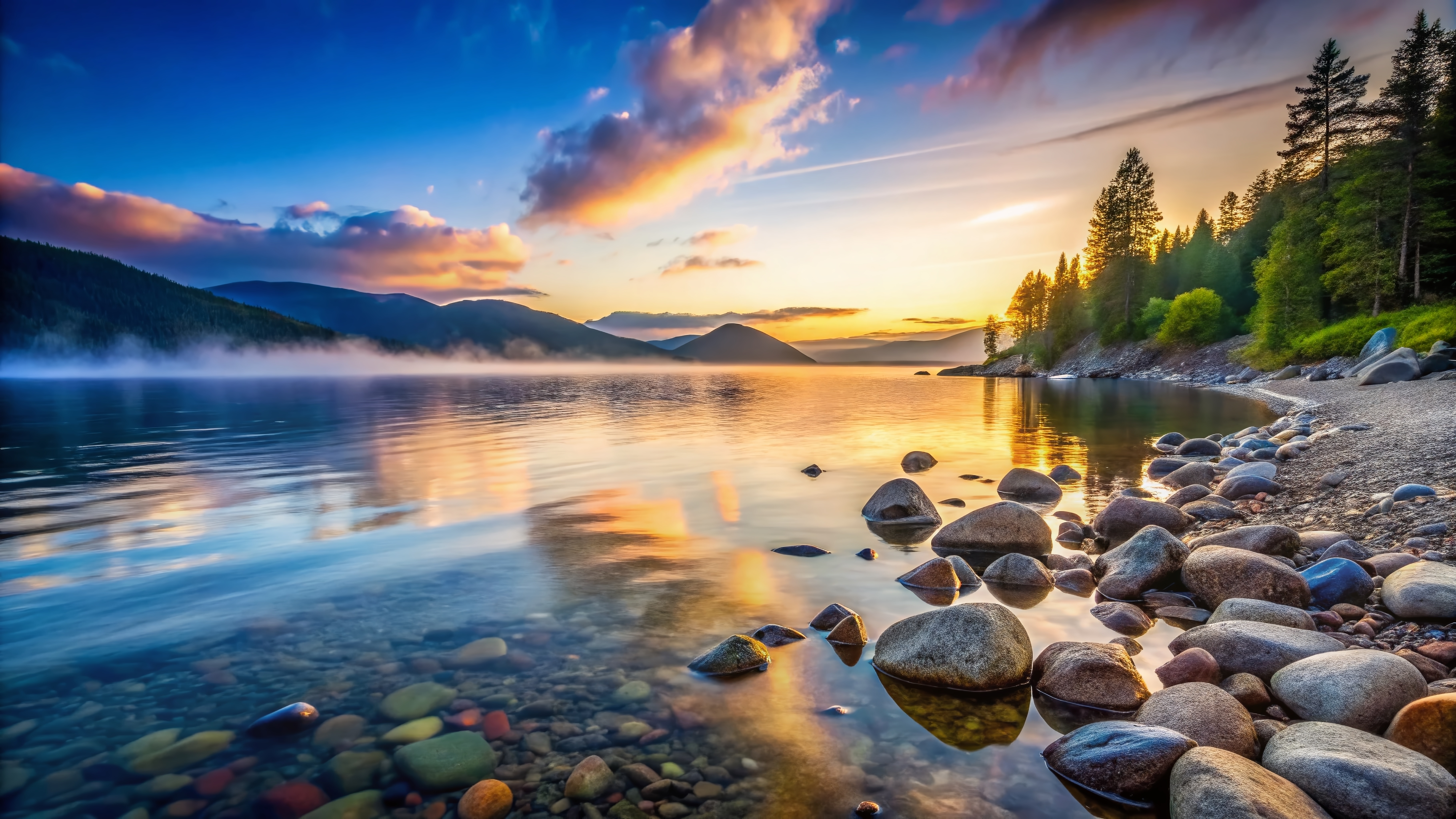
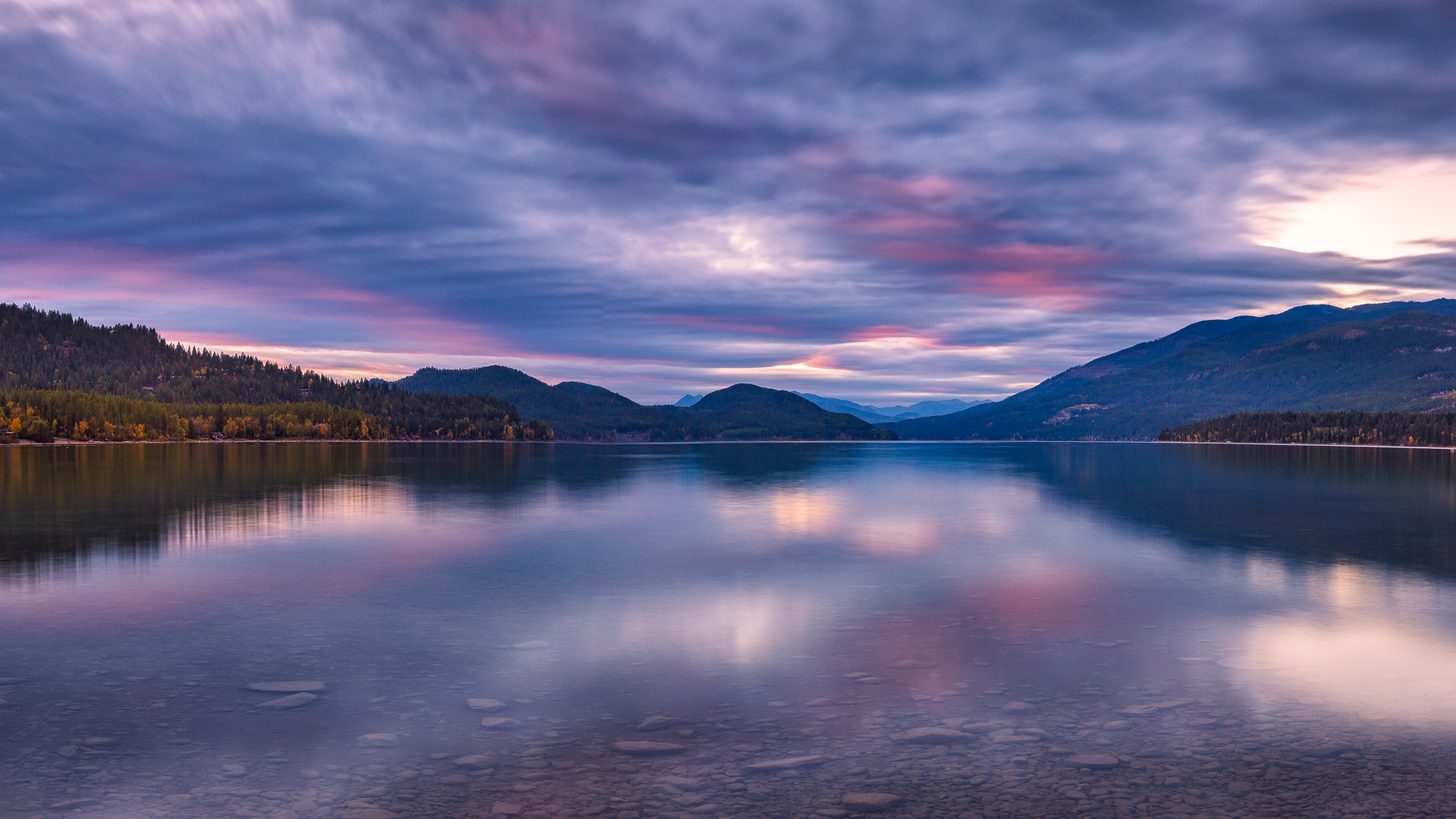
Thanks to the ice ages of the past, Glacier is packed full of lakes and ponds: 762, to be precise. There are so many that only 131 of them have been named, of which Lake McDonald is the largest. At 9.4 miles long and 1.5 miles wide, it covers almost 7,000 acres. Interestingly, Glacier’s lakes are often either startlingly clear—thanks to year-round cold temperatures that inhibit plankton growth—or an opaque, milky turquoise, due to the glaciers grinding the rocks and minerals of the lakebed to a fine powder as they receded.
2. It’s International
The protected lands of Glacier National Park continue across the Canadian border, where they become Canada’s Waterton Lakes National Park. Since 1932, the entirety has officially been known as the Waterton-Glacier International Peace Park, a World Heritage site and the world’s first international peace park. Rotarians from both countries successfully lobbied their respective governments to create the shared park and continue to meet each fall for a Hands Across the Border assembly, pledging to continue to pursue peace, liberty, and equal opportunity for all.
3. It’s the GOAT
Okay, Glacier might not have a factual claim as the Greatest Of All Time. But it does have a robust population of actual mountain goats. These fascinating woolly creatures can withstand temperatures as low as -50 degrees Fahrenheit and winds of 100 miles per hour in their high alpine habitat. The toe pads on their cloven hooves provide the grip of a natural climbing shoe and help them scramble up 60-degree slopes with ease. Mountain goats typically live 9 to 12 years in the wild, and the number of rings at the base of their horns indicates their age. But we wouldn’t recommend trying to count them yourself!
4. It’s a Blast on a Bus
All 33 of the iconic Red Buses chugging up and down the Going-to-the-Sun Road each summer date back to the 1930s and are considered the oldest touring fleet of vehicles anywhere in the world. They are sometimes mistakenly called “Jammers,” but that term actually refers to the drivers, who could be heard jamming the gears on the Sun Road in the days when the vehicles had manual transmissions. With their canvas roll-back tops, frames built of oak, not metal, and a color picked to match the ripe mountain ash berry, these “Rubies of the Rockies” are an excellent way to take in the sights, sounds, and fresh mountain air of a beautiful day in Glacier.
Photos by Anukrati Omar, LaiLa Skalsky and Cole Allen on Unsplash




.webp)