
Fun Facts about Glacier National Park:
• The aptly named Triple Divide Peak, near Cut Bank, sends its waters to the Pacific, Atlantic, and Arctic Oceans.
• Morning Eagle, the Lake Josephine tour boat, was hand-winched half a mile upstream on the creek between Swiftcurrent Lake and Lake Josephine over six days in 1975. It hasn’t been moved since.
• Each year, Rotarians from Canada and the U.S. honor the legacy of the Waterton-Glacier International Peace Park by pledging to maintain the peace between the two nations as they shake hands across the border.
Two Awesome Glacier Adventures
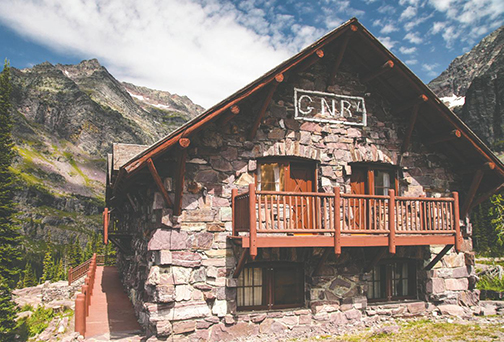
Stay at Sperry Chalet
After Congress created Glacier National Park in 1910, the Great Northern Railway built nine chalets in and around the park to encourage tourism. Avalanches, fires, grizzly bears, and economics ruined six of them; by the late 1900s, only the Granite Park, Sperry, and Belton Chalets still welcomed guests. Sperry Chalet sits about six and a half miles and a (literally) breathtaking 3,300 feet above Lake McDonald, as it’s accessible only by hiking or horseback. The 2017 Sprague Fire tragically consumed the dormitory, but it was rebuilt with supplies brought in by helicopter and pack strings. For reservations and more information, visit www.sperrychalet.com
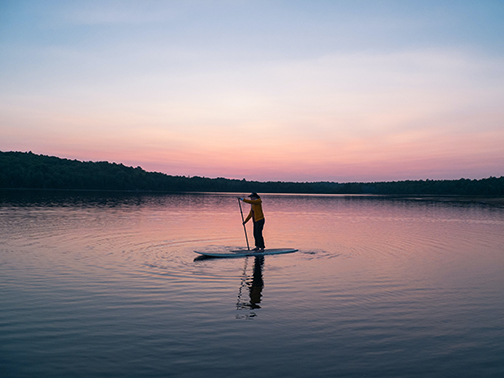
Paddleboard Lake McDonald
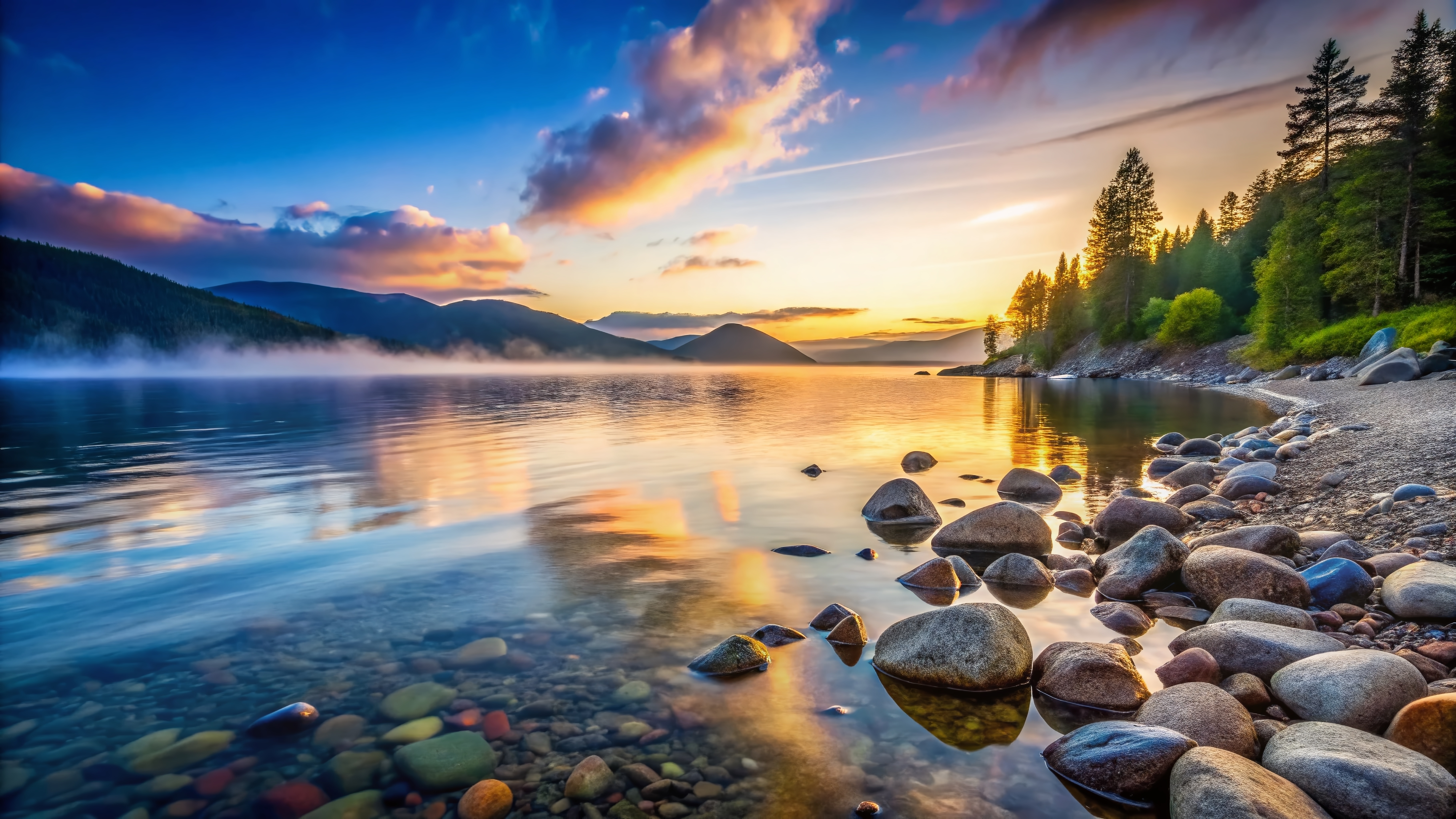
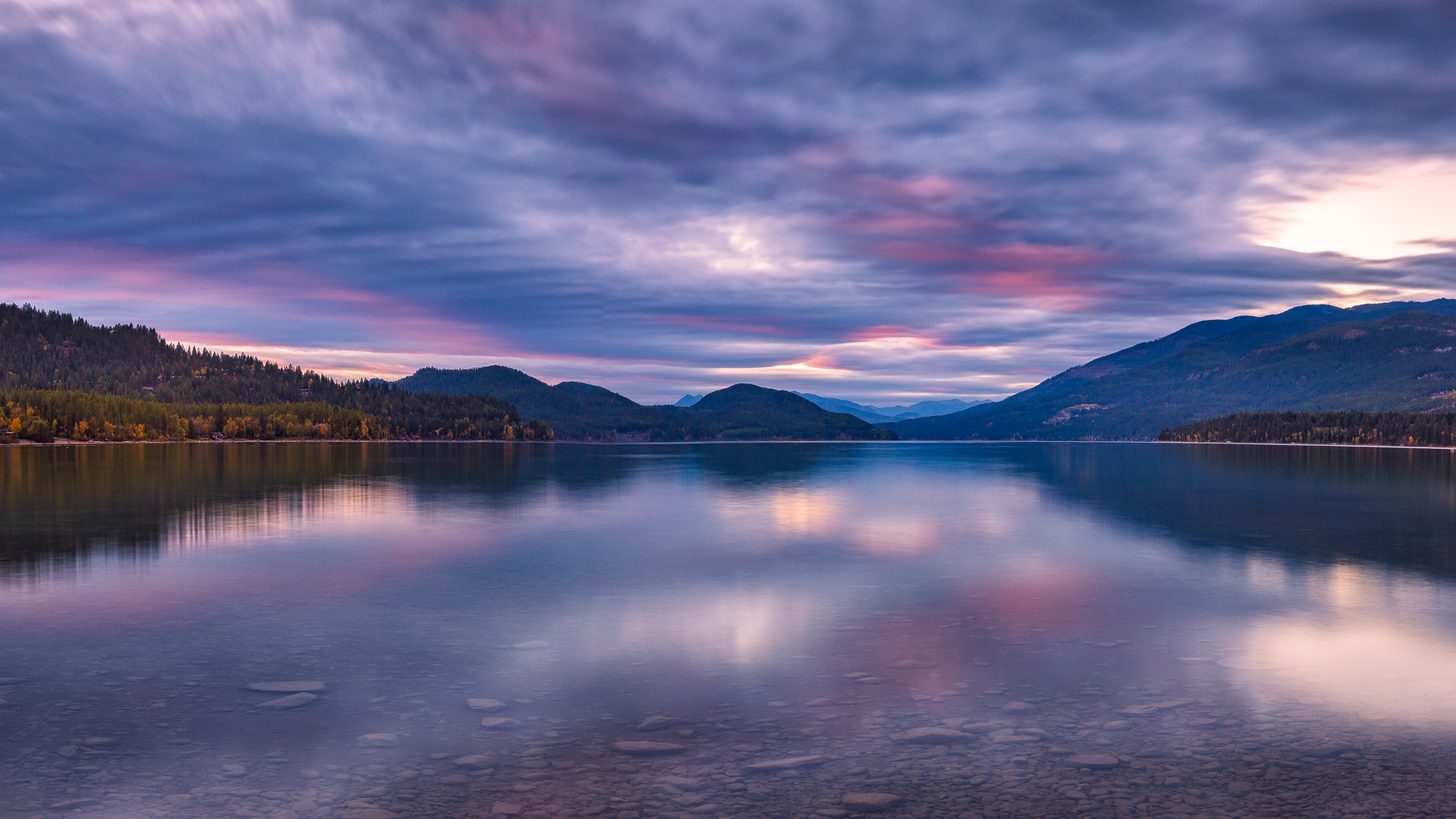
One of the best ways to explore Lake McDonald—or as the Salish People named it, The Big Lake in the Mountains—is by paddleboard. Standing above the water, you can easily take in the gorgeous rainbow of the lakebed, created as pieces of rocks from different geologic eras washed downstream, settling into the water the receding glaciers left behind. You may also spot submerged trees, swept into the lake long ago, and even some manmade objects. The remnants of an old ship, now known simply as the Fish Creek Bay Wreck, lays in less than 10 feet of water near the Fish Creek campground. Board and boat rentals are available in Apgar Village and from nearby retailers and outfitters.
Fun Facts about Yellowstone National Park:
• At 3,742 square miles, Yellowstone is larger than Rhode Island and Delaware combined.
• In the late 1800s, souvenir sellers coated memorabilia in travertine by immersing the items in Mammoth Hot Springs for several days.
• Though we often link this national park with Theodore Roosevelt, who spent two weeks here in 1903, President Ulysses S. Grant actually signed the law that made Yellowstone the first national park in 1872.
Two Great Yellowstone Experiences
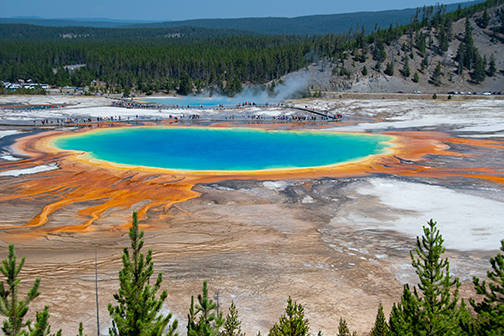
Get a Good Look at Grand Prismatic Spring
From above, America’s largest hot spring looks like an enormous multicolored geode, sliced in half to reveal its incredible rings of color. At the middle of the Grand Prismatic Spring, water emerges from the earth at temperatures up to 189 degrees, keeping the center sterile and giving it a pristine blue hue. The water cools somewhat as it flows outward, providing habitats for different kinds of thermophiles, heat-loving microbes that color the green, yellow, orange, and red rings of the spring. Visitors can see the spring up close from the boardwalk or get a bird’s eye view from the recently constructed overlook platform.
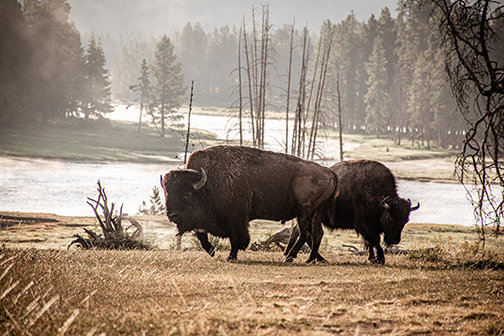
Behold the Bison
Almost no one visits Yellowstone without experiencing a traffic snarl as a herd of shaggy, cud-chewing bison meander obliviously in the road. Next time you’re bison blocked, though, take a moment to remember that this phenomenon is nothing short of a miracle: Yellowstone is the only place in the country where bison have lived continuously since prehistoric times. Even this herd nearly went extinct, hunted and poached down to two dozen animals, before park officials restored the population by introducing supplemental stock from private ranches. Around 5,500 bison now happily roam their ancestral home.
This article was adapted from PureWest's 2021 Pure Montana magazine. For more great tips on the national parks and other interesting Montana stories, pick up a copy at your local PureWest office or newsstand today!



.webp)