
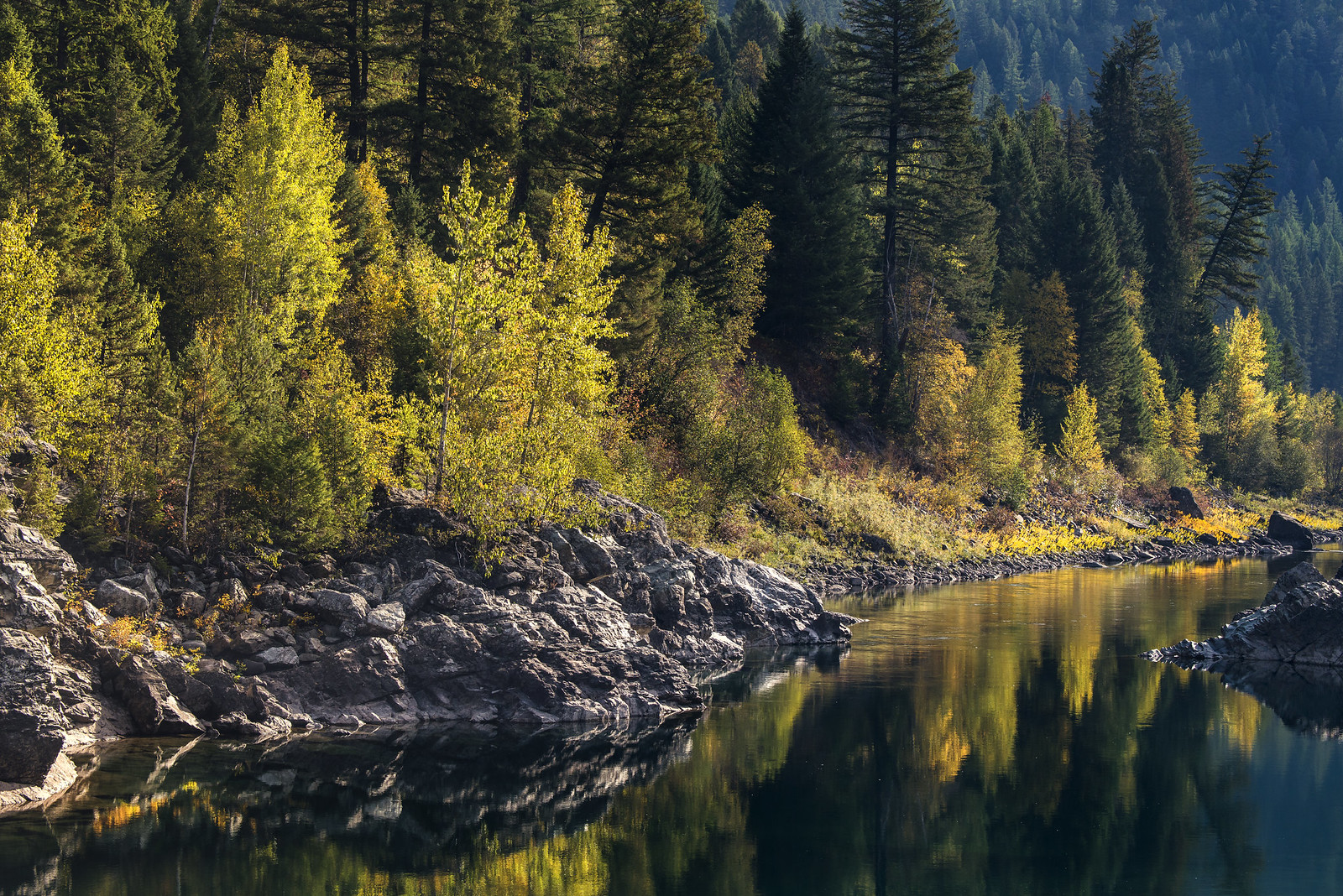
A late Montana summer often ranges from waves of high heat, to spells of pleasant balminess, to crisp hints of fall. The sun is almost always shining, sitting a bit lower in the sky, which makes for a delightfully golden morning and evening light. The larch trees begin to turn from dark green to a bright lime, and eventually display their beaming yellow. And as the summer wanes, the river levels lower and the currents get slower. Many rivers that were once swift with raging rapids in early summer are now a bit more mellow, and this holds true for the Middle Fork of the Flathead River. Floating down river in late summer is a great escape from the last bits of heat, and it can also be either a lively, or serene, way - depending on the section of river - to soak up the jaw-dropping scenery one may otherwise never have the pleasure of seeing. 
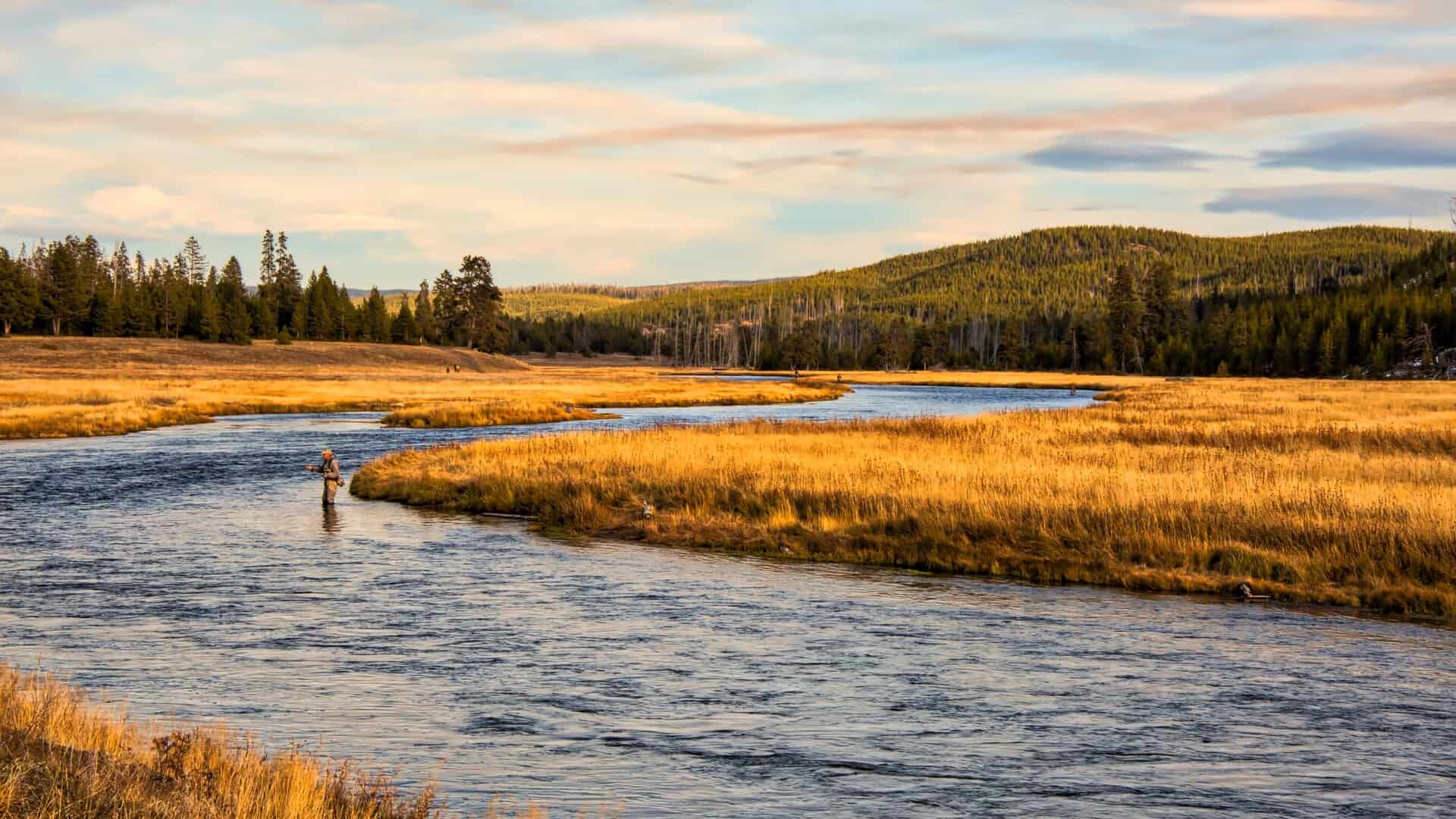
Cruising along through glistening sun-kissed waters with a fishing rod in hand is how memories are made. PHOTO: Brian Schott, Explore Whitefish
Named by Congress a Wild and Scenic River, which ensures protection as a free-flowing river due to "outstanding natural, cultural or recreational values", the Middle Fork of the Flathead River makes up the southwestern border of Glacier National Park. Its headwaters begin deep in the Bob Marshall Wilderness, often referred to as "The Bob", a Flathead National Forest wilderness area consisting of over one million acres. As the river travels north and eventually west, it gains more water from creeks flowing out of both Glacier and The Bob, and more momentum. Eventually the Middle Fork joins with the North and South Forks of the Flathead River, travels through the Flathead Valley, and empties into Flathead Lake.
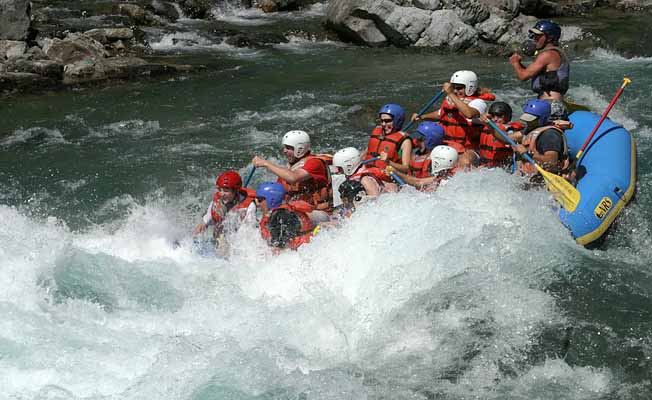
A raft guide hits Bonecrusher Rapid just right, leaving guests smiling - and soaked! PHOTO: MT Office of Tourism
The most popular whitewater rafting spot on the river is in John F. Stevens Canyon, leading into West Glacier, where rafters splash through rapids ranging from Class 2 to Class 3, with the exception of the Class 4 rapid named "Jaws". While family-friendly for most of the summer, the river takes on another more exciting and high-risk form in spring. Floating down the Middle Fork during high water is not for the faint of heart, or for the inexperienced. Class 2 and 3 rapids grow into Class 4 and 5, and some rapids get "washed out" and become swirling whirlpools. Some days the river should be avoided all together, even by the most experienced of rafters. This is a good excuse to grab a cup of coffee and watch the show, for downed trees speeding through chaotic waves, disappearing down sucking water swirls, and then popping back up into the air many feet downriver, is quite a sight to see!
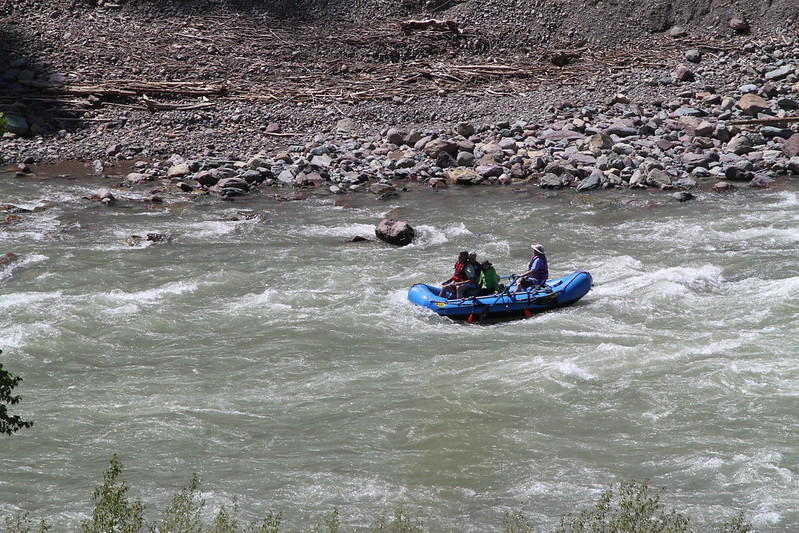
Rafters in springtime experience swifter currents, bigger rapids, and less clear waters due to spring runoff, or mountain snowmelt which carries with it mud and glacial silt sediment. PHOTO: Glacier National Park
But this time of year, a float down the Middle Fork is just about one of the most pleasant and peaceful trips one can take. The river affords vistas of Glacier National Park and the Bob Marshall Wilderness that are like pictures straight out of a fairytale. Wildlife viewing is always a possibility, for this protected Wild and Scenic River is home to grizzlies and bull trout, as well as many other creatures - moose, black bear, mountain goats, bald eagles, harlequin ducks, and so many more. A number of outfitters are based out of West Glacier that provide fishing trips, whitewater rafting trips, and scenic river floats so long as the river level allows, which is oftentimes through the end of September. If you haven't gone yet, well, what are you waiting for?!
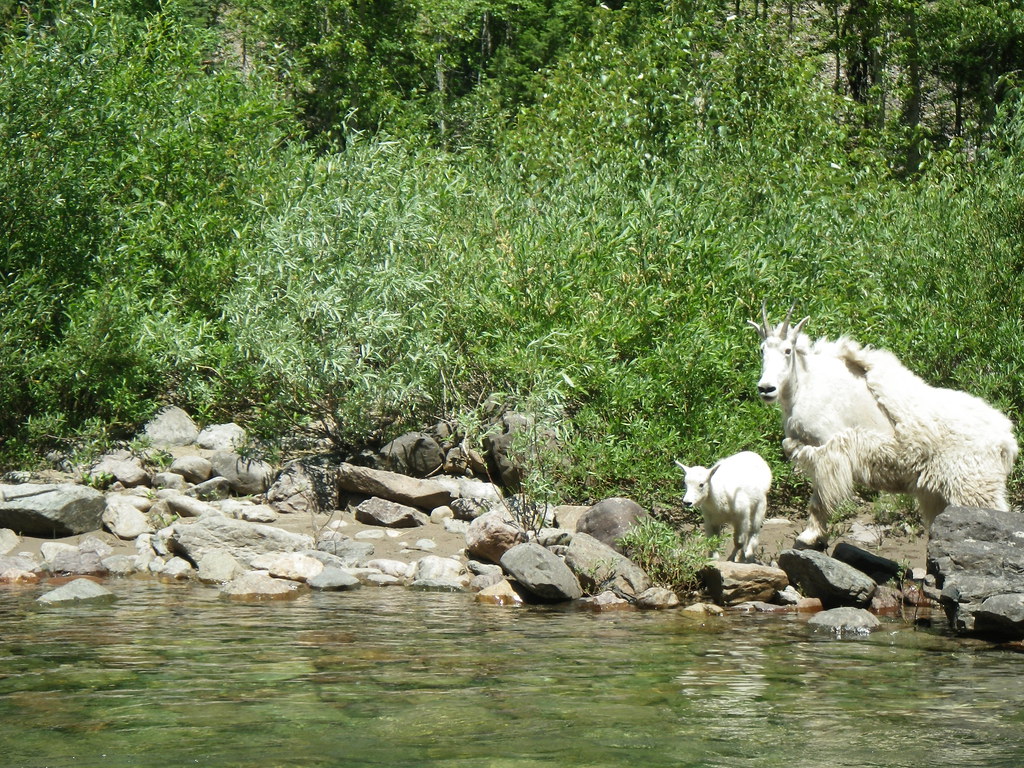
A molting nanny mountain goat and her kid make their way down to the river for a cool drink. PHOTO: US Forest Service
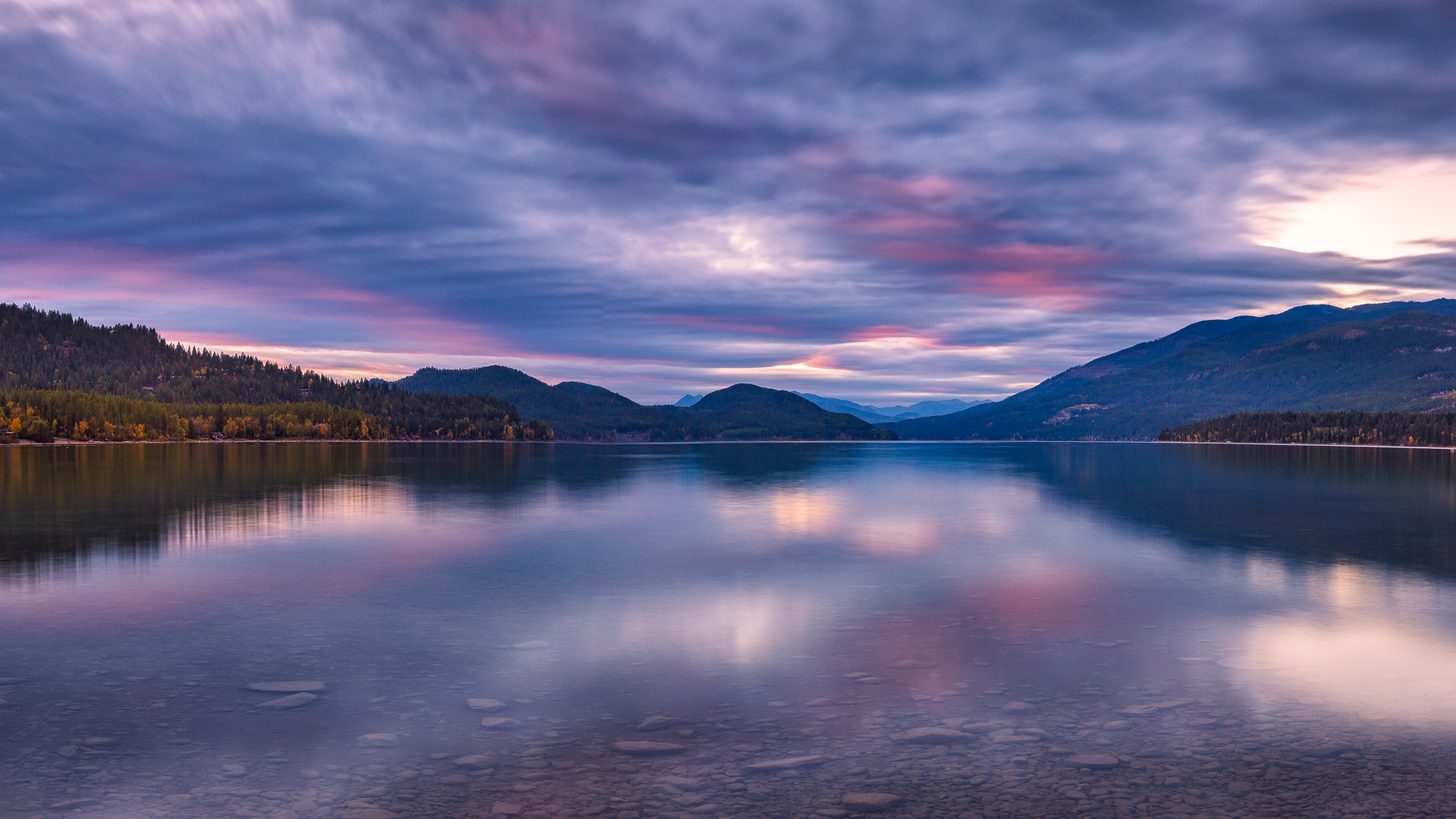
Featured Image: The clear waters of the Middle Fork reflect autumn's newly turning golden larches, as seen from West Glacier's Old Bridge. PHOTO: MT Office of Tourism



.webp)